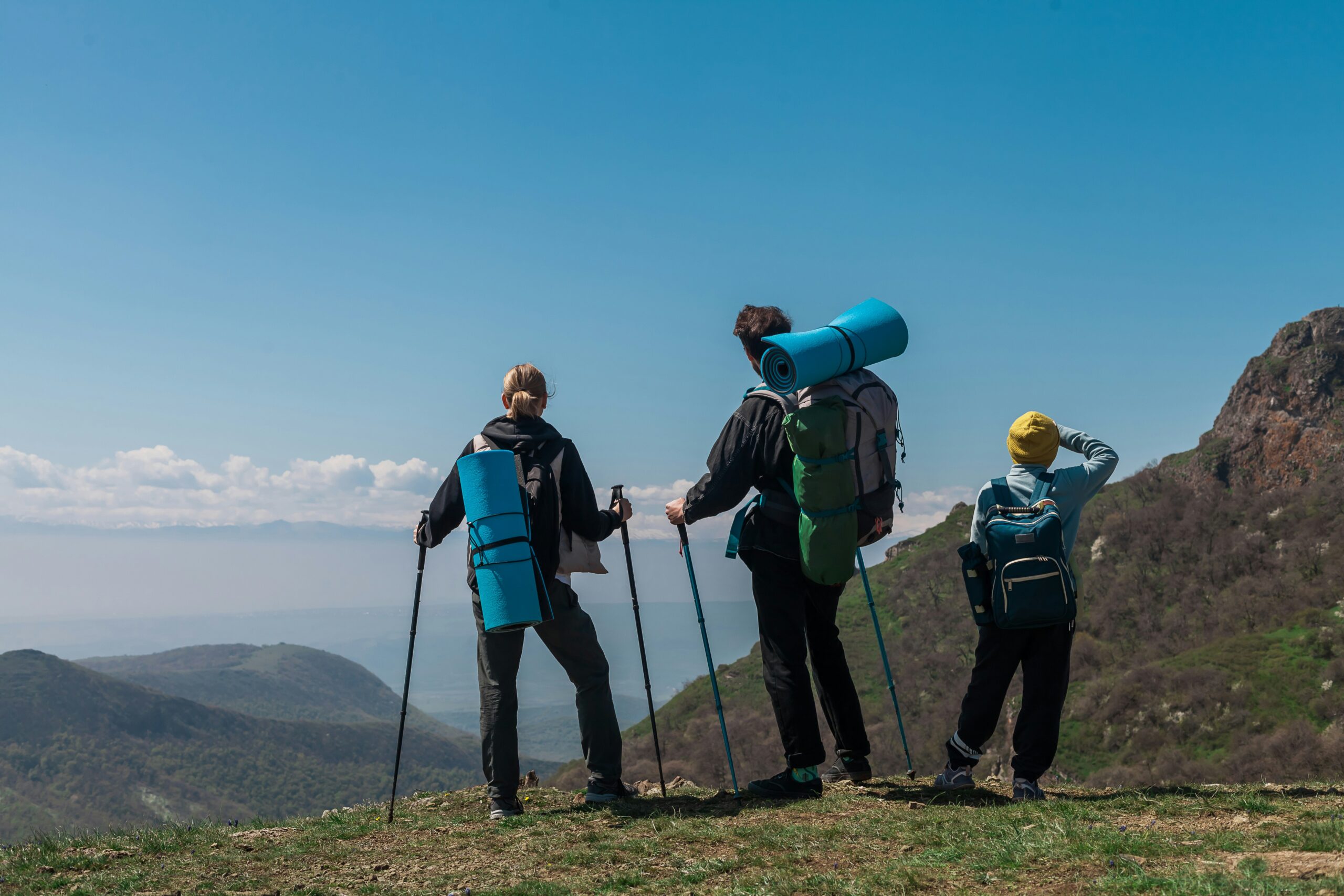
Travel gives you a chance to discover new places, meet different people, experience new cultures, and create lasting memories. However, an unforgettable journey rarely happens without some preparation. Transportation, accommodations, activities, budgets, documents, and safety all require attention. Therefore, effective travel adventure planning can make every part of your journey easier.
Good planning does not mean creating a strict schedule for every hour. Instead, it helps you prepare for important details while leaving enough room for unexpected experiences. When you know where you are going, how much you can spend, and what you want to experience, you can travel with greater confidence.
Moreover, thoughtful preparation helps reduce stress before and during your trip. You can make informed decisions, avoid common mistakes, and spend more time enjoying your destination. Whether you are planning a weekend getaway or an international adventure, the right approach can make a major difference.
Define the Purpose of Your Adventure
Every successful trip starts with a clear idea of what you want to experience. Some travelers want peaceful beaches and quiet mornings. Others prefer hiking, cultural attractions, local food, nightlife, or historical sites. Therefore, think about your interests before choosing a destination.
Your travel goals can also help you decide how long you should stay. For example, a relaxing beach vacation may require a different schedule from a fast-paced city trip. Similarly, an outdoor adventure may need more preparation for weather, equipment, and transportation.
When you understand your priorities, travel adventure planning becomes much simpler. Instead of trying to include everything, you can focus on experiences that genuinely matter to you. As a result, your journey can feel more personal and rewarding.
Research Your Destination Carefully
Research gives you a clear picture of what to expect. Start by learning about the local climate, tourist seasons, transportation options, accommodation areas, attractions, and average daily costs. This information can help you decide whether a destination matches your expectations.
Weather deserves special attention. A destination may look affordable during a certain month because that period has heavy rain, extreme temperatures, or other seasonal challenges. Therefore, compare prices with expected conditions before making reservations.
In addition, research local events and holidays. Festivals can create exciting travel experiences, but they may also increase hotel prices and crowds. Knowing about these events early allows you to decide whether they improve or complicate your plans.
Choose the Best Time to Travel
Timing can influence almost every part of your journey. Popular travel seasons often provide favorable weather and plenty of activities. However, they can also bring higher prices, crowded attractions, and limited accommodation availability.
If your schedule allows, consider visiting during a shoulder season. This period often offers a useful balance between pleasant conditions and lower demand. As a result, you may enjoy more affordable prices and fewer crowds.
However, the best time depends on your travel goals. Someone planning a skiing adventure needs different conditions from someone planning a beach vacation. Therefore, match your travel dates with the activities that matter most to you.
Choose Accommodations With Care
Where you stay can influence your entire travel experience. Price matters, but location, cleanliness, safety, transportation access, and amenities also deserve attention. Therefore, compare the complete value of each accommodation.
A cheap hotel far from your main attractions may create additional transportation costs. Meanwhile, a slightly more expensive property in a central location may save time and money. Consider how often you will travel between your accommodation and planned activities.
Recent guest reviews can also provide useful information. Look for comments about cleanliness, location, noise, staff, and transportation access. In addition, review cancellation terms before booking so you understand your options if your plans change.
Build a Realistic Travel Budget
A clear budget helps you make smarter choices and reduces financial stress. Start by estimating transportation, accommodations, meals, local transportation, activities, and shopping. Then, consider smaller costs such as baggage fees, tips, parking, and attraction tickets.
Decide where you want to save and where you want to spend more. For example, you might choose affordable accommodations so you can spend more on local experiences. Alternatively, you may prefer a central hotel that reduces daily transportation expenses.
Always keep some money available for unexpected costs. A delay, reservation problem, or emergency purchase can affect your budget. Therefore, a financial cushion gives you greater flexibility when circumstances change.
Compare Transportation Options
Transportation can take a large part of your travel budget. Therefore, compare different options before booking. When looking at flights, consider departure times, connections, baggage policies, airport locations, and total travel time.
The lowest fare does not always provide the best value. A cheap flight with expensive baggage fees and a long connection may cost more in both money and time. In contrast, a slightly higher fare may offer a much easier journey.
Also, research transportation after you arrive. Public transit, trains, taxis, rental cars, rideshare services, bicycles, and walking may all work well depending on your destination. Understanding these choices can help you plan your daily activities more efficiently.
Create a Flexible Travel Itinerary
A basic itinerary can help you organize your time without controlling every moment. Start by identifying the attractions and activities that matter most. Then, group nearby places together so you spend less time moving between different areas.
Check opening hours and reservation requirements before your trip. Some popular attractions may require booking. Therefore, securing important reservations early can help you avoid disappointment.
At the same time, leave open periods in your schedule. You may discover an interesting market, restaurant, neighborhood, or event after arriving. A flexible itinerary gives you room to enjoy these unexpected opportunities.
Pack Light and Pack Smart
Packing can affect how easily you move throughout your journey. Heavy luggage can make airports, train stations, public transportation, and hotel changes more difficult. Therefore, focus on items that you genuinely expect to use.
Check the weather before packing and select versatile clothing. Choose items that work well together so you can create several outfits without carrying too much. Comfortable footwear also matters, especially if you plan to explore on foot.