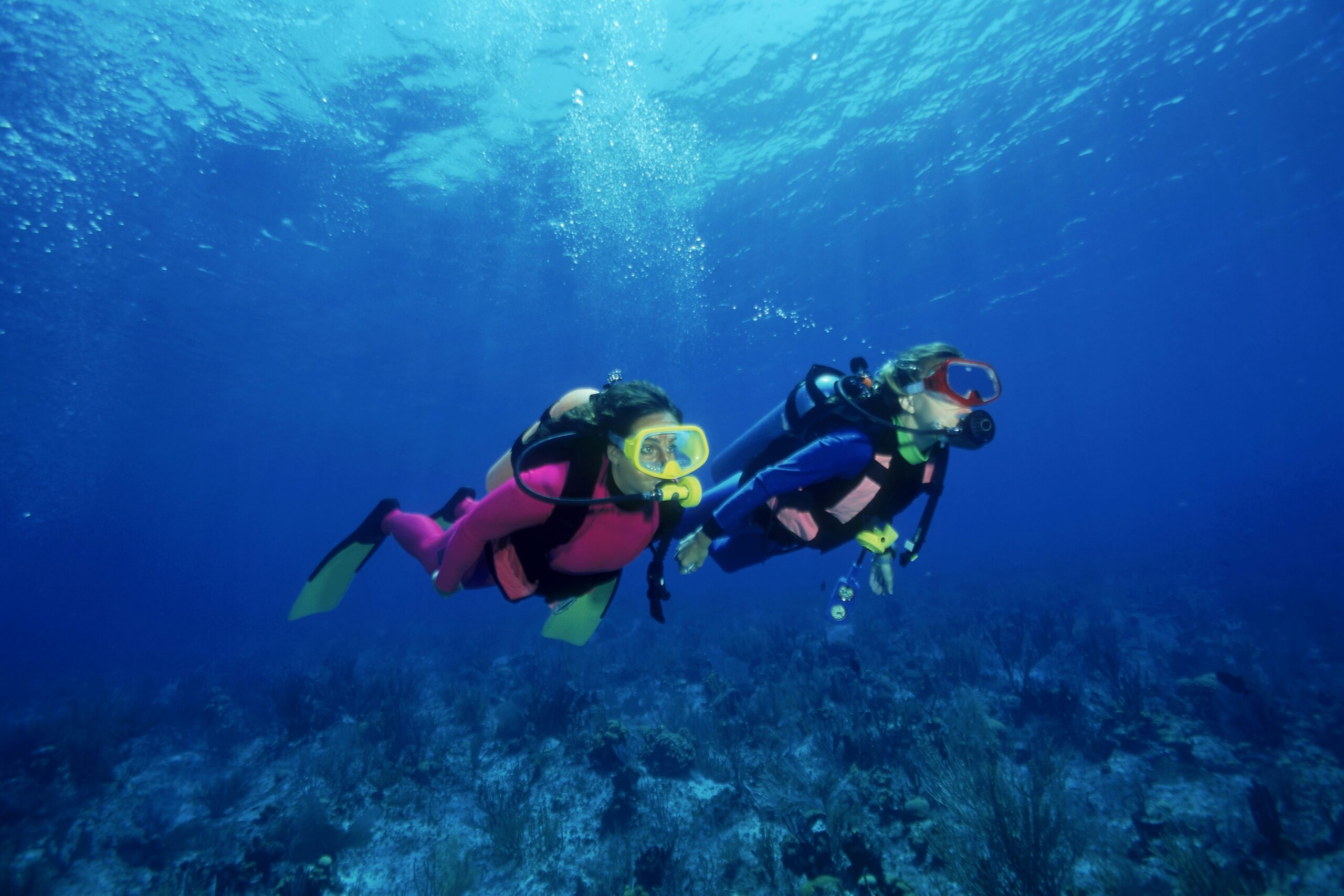
Exploring the underwater world offers an exciting way to experience nature from a different perspective. Beneath the ocean’s surface, colorful fish, coral formations, and unique marine environments create a peaceful setting. For beginners, scuba diving opens the door to places that remain hidden from everyday life. However, preparing for a first dive often brings questions about safety, equipment, breathing, and what the experience will feel like.
Understanding what happens during your first underwater adventure can help you feel more comfortable and prepared. With proper training and professional guidance, beginners can learn essential diving skills while enjoying the beauty of the ocean. Knowing what to expect also helps reduce uncertainty and allows you to focus on the experience rather than unnecessary worries.
Understanding the Experience of Scuba Diving
Scuba diving allows people to explore underwater environments while breathing through specialized equipment. Unlike swimming or snorkeling, scuba diving lets participants remain beneath the surface for longer periods. This creates opportunities to observe marine life, underwater landscapes, and natural formations from a closer perspective. For many beginners, the experience feels different from anything they have tried before.
The underwater environment also changes how people move and communicate. Water supports the body, allowing divers to float with controlled movements. Sounds travel differently, and conversations become impossible without special communication equipment. Instead, divers use simple hand signals to share information. These differences make scuba diving a unique activity that combines physical awareness, patience, and careful observation.
Preparing for Your First Diving Experience
Preparation begins before entering the water. Most beginner diving programs include a short introduction to basic safety practices, equipment use, and underwater communication. Certified instructors explain how the equipment works and demonstrate important skills. They also discuss the diving location, expected conditions, and procedures that help participants remain safe throughout the experience.
Beginners should also consider their physical condition and comfort in the water. Diving requires the ability to follow instructions, breathe calmly, and respond to changing conditions. Certain medical conditions may require approval from a qualified healthcare professional before diving. Getting enough rest, staying hydrated, and avoiding alcohol before the activity can also support a more comfortable experience. Proper preparation helps create a positive foundation for the adventure.
Learning About Essential Scuba Diving Equipment
Scuba diving equipment allows people to breathe, see, and move underwater. A diving mask creates a clear space around the eyes, making underwater objects easier to observe. Fins help divers move efficiently through the water without using excessive energy. A breathing device connects to an air tank and delivers air at a pressure suitable for the surrounding depth.
Divers also wear equipment that helps control floating and sinking. A special vest allows them to adjust their position by adding or releasing air. Depending on water temperature, a wetsuit may provide warmth and protection. Before entering the water, instructors explain how each item works and check that everything fits correctly. Understanding the equipment helps beginners feel more confident and reduces distractions during the dive.
Practicing Breathing and Staying Relaxed Underwater
Breathing underwater often feels unusual during the first few minutes. The breathing device delivers air when the diver inhales, creating a different sensation from normal breathing at the surface. Beginners may initially focus closely on each breath. However, following an instructor’s guidance and practicing calm, steady breathing can make the experience feel more natural.
Relaxation plays an important role in underwater comfort. Slow movements help conserve energy and reduce unnecessary effort. Divers should breathe continuously and never hold their breath while using scuba equipment. Instructors also teach participants how to respond if water enters their masks or if they need to clear their breathing devices. Practicing these skills in a controlled setting helps beginners develop confidence before exploring deeper water.
Understanding Safety Rules Before Entering the Ocean
Safety remains the most important part of any scuba diving experience. Before a dive begins, instructors review the planned depth, expected conditions, communication signals, and emergency procedures. Beginners should understand how to communicate discomfort, request assistance, and indicate that they want to return to the surface. These simple steps help create clear expectations for everyone involved.
Divers must also respect depth limits and follow their instructor’s directions. Pressure increases as a person descends, which affects air spaces in the ears and body. Instructors explain how to equalize ear pressure gently and why divers should never force a descent when they feel pain. Controlled ascents, continuous breathing, and careful monitoring of air supplies are essential safety practices. Following established diving procedures helps reduce risks and supports a more enjoyable experience.
What Happens During Your First Underwater Descent
The first descent introduces beginners to the physical sensations of scuba diving. As you move below the surface, sunlight becomes softer, surrounding sounds change, and the water begins to support your body. Your instructor guides the descent at a controlled pace while checking your comfort and equipment. You may need to pause several times to adjust the pressure in your ears.
Once you reach the planned depth, the instructor helps you settle into a comfortable position. Beginners often notice that moving underwater requires less effort when they maintain good balance. Rather than swimming quickly, divers use gentle movements to explore their surroundings. The first few minutes may feel unfamiliar, but staying close to the instructor and focusing on steady breathing can help you become more comfortable.
Discovering Marine Life in Its Natural Environment
One of the most memorable parts of scuba diving involves observing marine life in its natural surroundings. Depending on the location, beginners may encounter colorful reef fish, sea turtles, starfish, or other ocean creatures. Coral reefs often provide shelter for many species, creating active underwater environments filled with movement and color. Each diving location offers different opportunities for exploration.
Respecting marine life helps protect these fragile ecosystems. Divers should avoid touching coral, disturbing animals, or collecting objects from the ocean floor. Maintaining a safe distance allows wildlife to behave naturally and reduces the risk of accidental damage. Beginners can enjoy underwater photography when conditions and their diving skills allow it. However, observing the environment often creates a more meaningful experience than trying to capture every moment.
Communicating With Your Instructor Beneath the Surface
Communication underwater requires a different approach because ordinary speech is not possible with standard scuba equipment. Divers rely on established hand signals to share important information. Before entering the water, instructors explain signals for indicating that everything is fine, reporting a problem, or requesting assistance. Learning these gestures helps beginners communicate clearly throughout the dive.
Instructors also maintain visual contact and monitor their students’ movements and comfort. Beginners should remain close enough to receive guidance and respond to instructions. If something feels uncomfortable, communicating immediately is more important than continuing the activity. Clear communication supports teamwork and helps prevent small concerns from becoming serious problems. Over time, these simple signals become familiar and allow divers to focus more attention on exploring their surroundings.
Returning to the Surface and Completing Your Dive
The return to the surface is an important part of the diving experience. Your instructor guides the ascent slowly while monitoring depth and air supply. Divers continue breathing normally and follow the planned ascent procedures. Moving upward at a controlled pace helps the body adjust to decreasing pressure. Beginners should avoid rushing toward the surface, even when they feel excited about completing their first dive.
After reaching the surface, the instructor helps participants return safely to the boat or shore. Equipment is removed according to the instructor’s directions, and the group may discuss the experience. This conversation provides an opportunity to ask questions, review challenges, and celebrate progress. Beginners often discover that their confidence improves significantly after completing their first supervised underwater adventure.