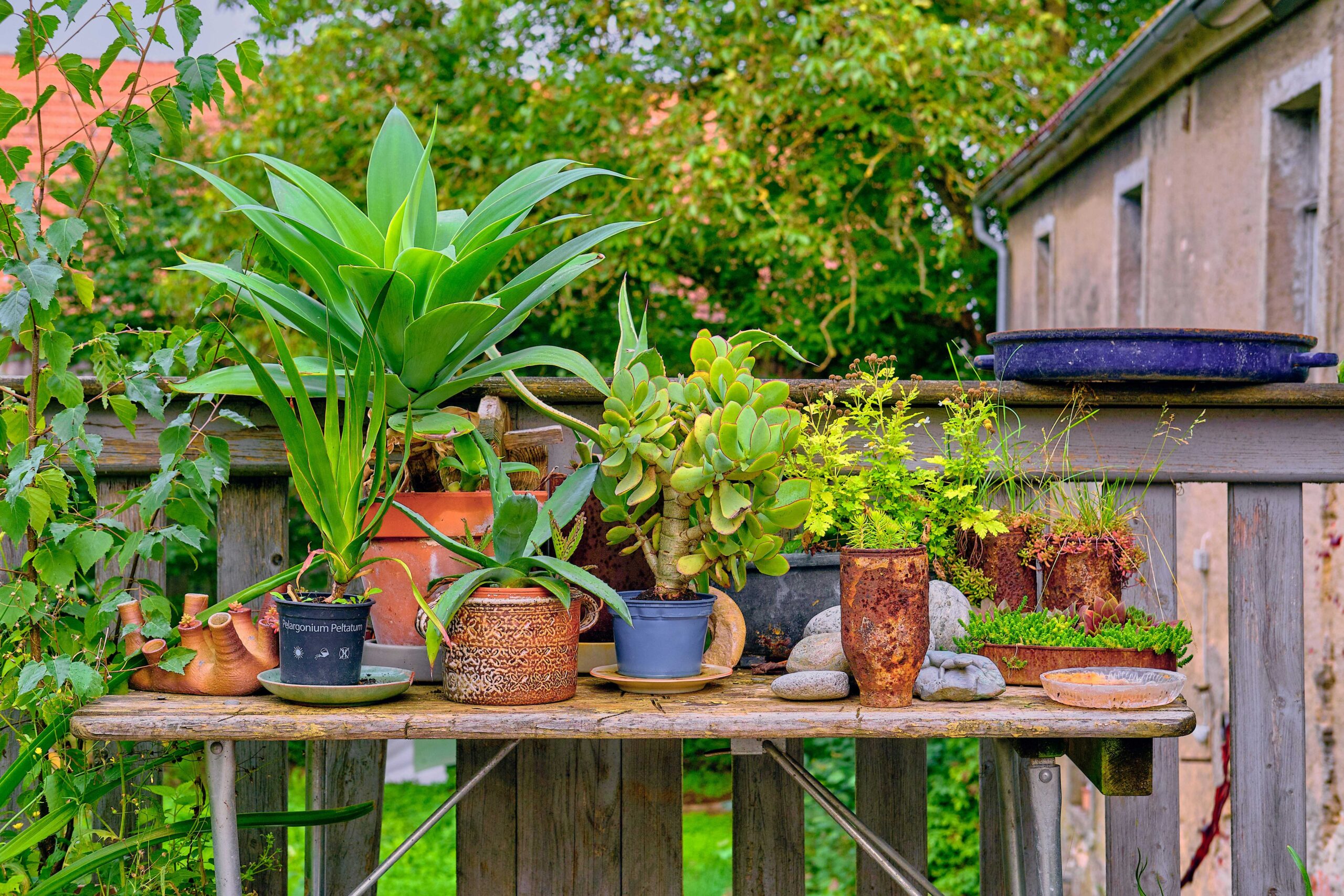
Home gardening is a simple and rewarding activity that can positively influence mental health and emotional well-being. In a world filled with busy schedules, daily responsibilities, and constant digital distractions, spending time with plants offers a peaceful way to relax and recharge. Whether someone grows vegetables in a backyard, keeps flowers on a balcony, or cares for indoor plants, gardening can create a healthier connection with nature. It encourages patience, provides a sense of purpose, and helps people develop positive daily habits. With regular care and attention, a small home garden can become a personal space for relaxation, happiness, and mental refreshment.
Home Gardening Helps Relieve Daily Stress
Stress is a common part of modern life, and finding healthy ways to manage it is important for overall well-being. Home gardening provides an enjoyable escape from everyday pressures. Activities such as watering plants, preparing soil, removing weeds, and trimming leaves encourage people to slow down and focus on something peaceful.
Spending time around greenery can also create a relaxing atmosphere. Natural surroundings help people take a break from work-related concerns and other daily worries. Even fifteen minutes of gardening can feel refreshing and help people feel calmer.
Caring for Plants Encourages Mindfulness
Mindfulness means paying attention to the present moment instead of getting caught up in past experiences or future concerns. Gardening naturally supports this habit because it requires patience and concentration.
When people care for plants, they notice small details such as new leaves, changing colors, soil moisture, and flower growth. These simple observations encourage awareness and help redirect attention away from stressful thoughts.
Regular gardening can become a peaceful daily practice. Instead of rushing through tasks, individuals learn to enjoy each step of the process. This mindful approach can support emotional balance and create a more positive mental outlook.
Growing Plants Creates a Sense of Purpose
Caring for living plants can give people a meaningful daily responsibility. Plants depend on regular attention, proper watering, sufficient sunlight, and suitable growing conditions. These simple tasks encourage consistency and create a useful routine.
For individuals who sometimes feel unmotivated or emotionally overwhelmed, caring for a home garden can provide a sense of direction. Watching plants grow through their efforts creates satisfaction and reminds them that small actions can lead to positive results.
This feeling of responsibility can also strengthen confidence and encourage a greater sense of personal achievement.
Green Spaces Can Improve Emotional Well-Being
A home garden adds natural beauty to everyday surroundings. Green leaves, colorful flowers, and fresh herbs can make living spaces feel more comfortable and welcoming. Spending time in these environments may improve mood and reduce mental fatigue.
Natural sunlight and fresh air can also support a healthier daily routine. Sitting near plants or spending time outdoors offers a chance to disconnect from screens and enjoy the surroundings.
Even a small collection of houseplants can make a room feel more inviting. Creating a green corner at home can provide a peaceful place to read, relax, or enjoy a quiet moment.
Gardening Combines Physical Activity With Relaxation
Home gardening involves gentle physical movements that support an active lifestyle. Digging, planting, watering, carrying pots, and arranging garden spaces keep the body moving without requiring a strict exercise schedule.
Physical activity is associated with better mood, improved sleep, and reduced stress. Gardening makes movement enjoyable because people can choose activities according to their energy levels and physical abilities.
Combining light exercise with outdoor relaxation can support both physical and mental wellness. It also encourages individuals to spend less time sitting and more time engaging in meaningful activities.
Home Gardening Builds Patience and Confidence
Growing healthy plants takes time. Seeds need suitable conditions to develop, and flowers or vegetables require regular care before producing visible results. This process teaches patience and helps people understand that meaningful progress does not always happen immediately.
Sometimes plants grow slowly or face problems from pests, weather, or improper care. Learning how to manage these challenges encourages problem-solving skills and resilience.
Successfully growing a plant can create a rewarding sense of accomplishment. These small achievements may improve self-confidence and motivate people to continue learning new gardening skills.
Gardening Creates Opportunities for Family Connection
Home gardening can also bring family members closer together. Parents and children can plant seeds, water flowers, grow vegetables, and observe changes in the garden. These shared activities create opportunities for communication, teamwork, and enjoyable experiences.
Working together on a garden can reduce screen time and encourage meaningful interaction. Family members can share responsibilities while learning about plants and nature.
Sharing homegrown vegetables, flowers, or gardening advice with neighbors can also strengthen social relationships and reduce feelings of isolation.
Start Small for a More Peaceful Daily Routine
Creating a home garden does not require expensive equipment or a large outdoor space. People can begin with a few easy-to-maintain indoor plants, small flowerpots, or simple herb containers near a sunny window.
Choosing plants that match the available space and daily schedule makes gardening easier to maintain. Starting with manageable tasks also prevents the activity from becoming another source of pressure.
Home gardening offers a practical way to support a healthier state of mind through relaxation, mindfulness, physical movement, and personal achievement. By making plant care part of everyday life, individuals can create a calming environment that encourages happiness and emotional balance. A small garden may seem simple, but the positive experiences it brings can make a meaningful difference in daily well-being.