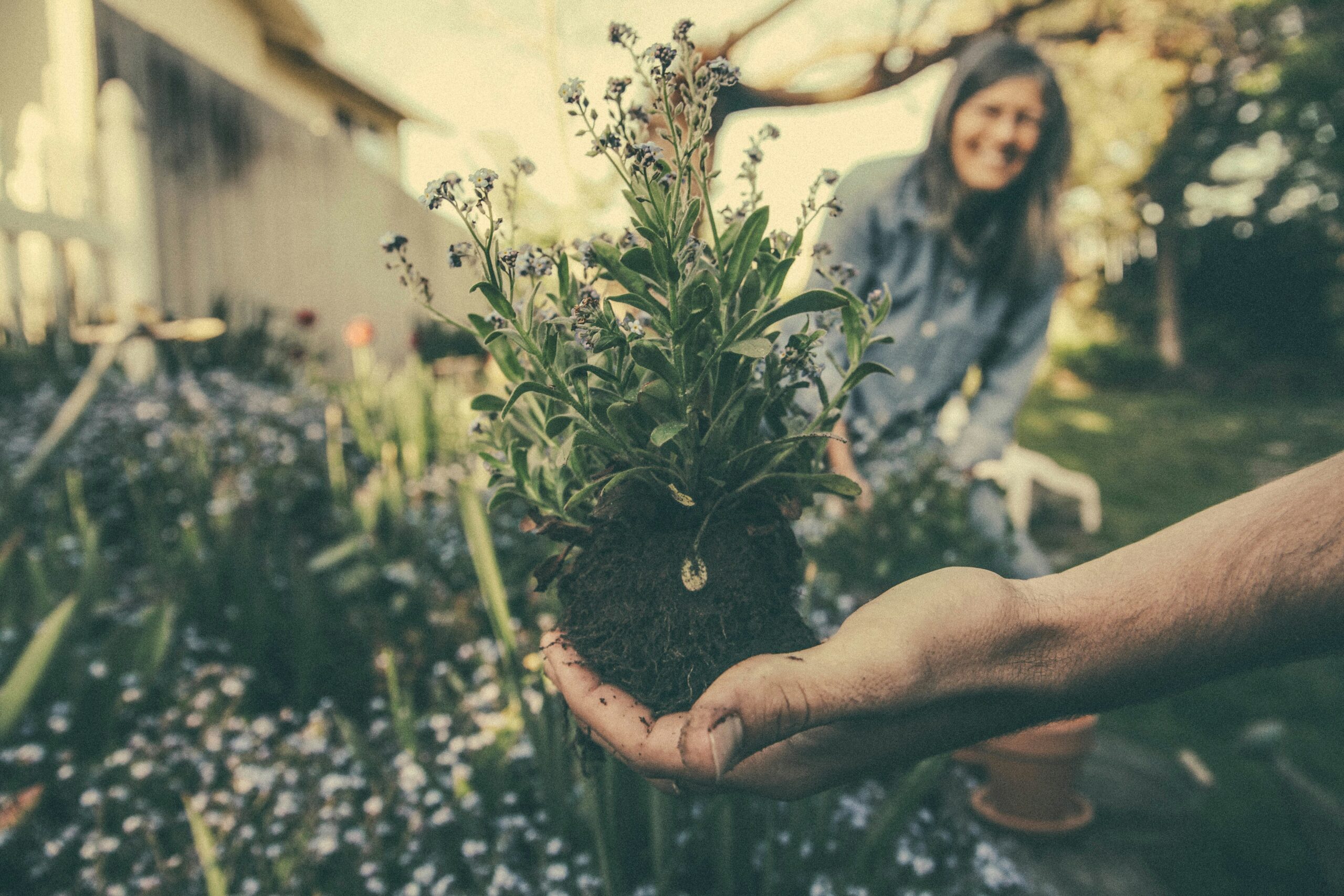
Gardening has become a meaningful way for many people to find comfort, balance, and peace during difficult emotional experiences. The connection between people and nature can create a calming environment where stress feels easier to manage. The simple process of planting, watering, and caring for plants allows individuals to focus on the present moment. Gardening therapy for PTSD provides a natural support method that encourages relaxation, patience, and emotional strength while working alongside professional mental health care.
The Healing Connection Between Nature and the Mind
Nature has a powerful effect on human emotions. Spending time around plants and outdoor spaces can help people feel calmer and more connected. For individuals living with PTSD, peaceful environments may create a sense of safety and comfort. Gardening allows the mind to slow down and focus on simple tasks instead of stressful thoughts.
The process of caring for plants can also create a positive daily routine. A garden needs attention, but it rewards that care with visible growth. Watching a plant develop over time can remind people that progress happens gradually. This experience can encourage hope and patience during the healing journey.
How Gardening Helps Manage Stress and Anxiety
PTSD often brings strong emotional reactions, unwanted memories, and feelings of tension. Gardening can offer a healthy activity that helps redirect attention. When people dig soil, touch leaves, or arrange plants, they often become more aware of their surroundings. This type of focus can support mindfulness and relaxation.
Gardening also combines gentle physical movement with outdoor exposure. Activities like planting seeds, carrying soil, or watering flowers encourage body movement without creating pressure. These actions may help release stress and create a stronger connection between physical and emotional wellness.
Building Confidence Through Plant Care
Taking care of living things can create a sense of responsibility and achievement. A small seed growing into a healthy plant shows the results of patience and effort. For someone dealing with PTSD, these moments can build confidence and create positive feelings about personal abilities.
A garden can also become a personal space for reflection. People can design their garden based on their own preferences and needs. Whether it is a few indoor plants or a large outdoor area, the experience can provide a peaceful place to relax and recharge.
Creating a Personal Garden Routine for Emotional Balance
A gardening routine does not need to be complicated. Even a few minutes each day spent caring for plants can create a calming habit. The goal is not to create a perfect garden but to build a peaceful activity that supports emotional wellness.
Many people find comfort in choosing plants, learning how they grow, and watching changes over time. These small experiences can create moments of joy and connection. PTSD recovery through gardening highlights how simple nature-based activities can support emotional healing in everyday life.
Why Gardening Can Be a Long-Term Support Tool
Gardening offers benefits that continue beyond a single activity. Over time, regular plant care can become a healthy lifestyle habit. It encourages patience, attention, and a stronger relationship with the natural world. These qualities can support emotional stability and personal growth.
The peaceful environment created by gardening can become a reminder of strength and renewal. Plants grow through consistent care, and people can experience growth in similar ways. Nature-based mental health support through gardening provides a gentle path toward calmness, confidence, and a deeper sense of peace.