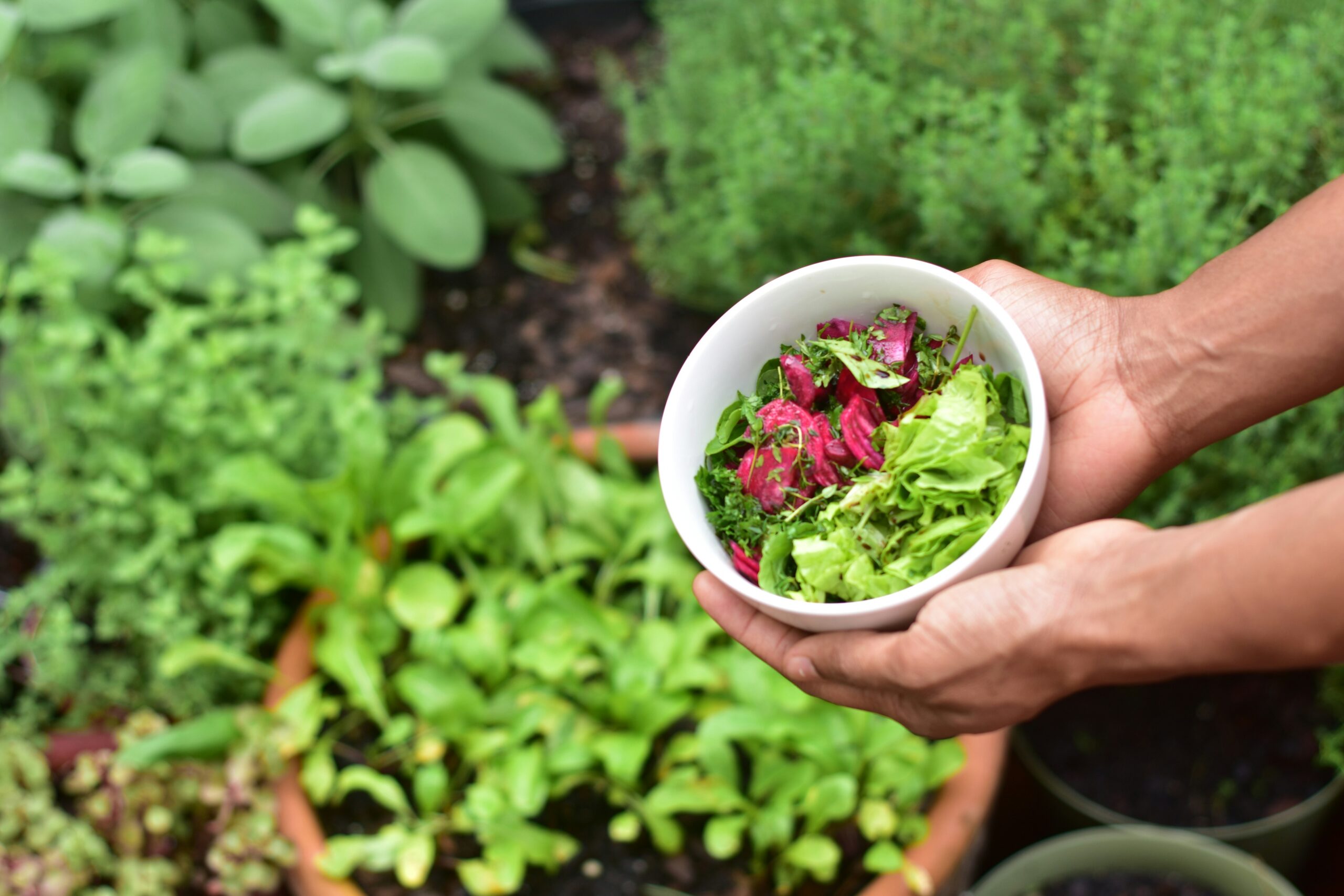
Gardening can be a calm and steady way to support healing after trauma. Many people who live with PTSD feel trapped by fear, stress, and painful memories. A garden offers a safe place where the body and mind can slow down. The simple act of planting seeds, touching soil, or watering plants can help a person feel present again. This is why gardening for PTSD has become a meaningful topic in wellness and recovery. Gardening does not replace therapy or medical care. Still, it can support the healing process in a gentle way. It gives people something peaceful to focus on each day. It also creates a sense of control, which is often missing after trauma. When a person cares for plants, they may begin to feel hope grow again.
Why Gardening Feels Safe for the Mind
PTSD can make the world feel unsafe, even when danger is not present. Loud sounds, crowds, smells, or sudden changes can trigger fear. Gardening often takes place in a quiet and open setting. This can help the nervous system feel less alarmed. A garden does not demand fast action or perfect answers. It allows a person to move at their own pace. This sense of safety can be very important for people with PTSD. The mind may start to relax when the body feels secure. Digging, trimming, planting, and watering can also create a simple rhythm. That rhythm can help reduce racing thoughts. Over time, the garden can become a trusted space for calm.
A garden also gives the mind a clear task. PTSD can pull attention into the past. A person may replay hard memories again and again. Gardening brings attention back to the present moment. The soil feels cool or warm. Leaves have texture. Flowers have color. Water moves through the ground. These small details can help ground the mind. Grounding is useful because it reminds a person where they are right now. It can reduce the pull of flashbacks and fear. Gardening helps people notice what is real in the present. That can make each day feel easier to manage.
How Plants Help Reduce Stress
The body often stays on high alert after trauma. This can lead to poor sleep, tension, anger, and fatigue. Gardening may help lower stress because it supports slow and steady movement. It also encourages time outdoors. Fresh air, sunlight, and nature can help the body feel more balanced. Caring for plants can give the brain a break from worry. Instead of focusing on fear, the mind can focus on growth. A person may notice a new leaf, a small sprout, or a flower opening. These moments can bring quiet joy. They can also remind the person that change is possible. Healing may feel slow, but growth is still happening.
Gardening can also help release tension from the body. PTSD is not only a mental health issue. It can affect muscles, breathing, sleep, and energy. Pulling weeds, carrying soil, and planting flowers use the body in healthy ways. These actions can reduce restlessness. They can also help a person feel connected to their own body again. This matters because trauma can make people feel numb or separate from themselves. Gardening offers movement without pressure. It does not require competition. It does not require a crowd. A person can work alone or with trusted people. This makes it easier to feel calm while staying active.
Building Routine and a Sense of Control
PTSD can make daily life feel unstable. Some days may feel heavy and hard to predict. A garden can create a simple routine. Plants need water, light, care, and time. These needs can give structure to the day. A person may water plants in the morning or check the garden in the evening. This routine can create a steady rhythm. It can also give a reason to get outside. Even small tasks can feel meaningful. A few minutes in the garden can become a helpful daily habit. This is one reason horticulture therapy can be useful for people living with trauma symptoms.
Gardening also helps restore a sense of control. Trauma can leave people feeling powerless. In a garden, choices are clear and simple. A person can choose what to plant. They can decide where to place flowers, herbs, or vegetables. They can remove weeds and protect young plants. These actions may seem small, but they matter. They show that care can lead to results. They also remind the person that their actions have value. PTSD often makes people feel stuck. Gardening shows progress in a visible way. A seed becomes a sprout. A sprout becomes a plant. That process can help rebuild confidence.
Connection, Purpose, and Emotional Healing
Gardening can also support emotional healing through connection. Some people with PTSD feel alone or misunderstood. Working in a garden can help them connect with nature first. This can feel safer than connecting with people right away. Plants do not judge. They do not ask hard questions. They simply respond to care. This can be comforting for someone who feels emotionally tired. Over time, a garden may also help people connect with others. Community gardens, group planting days, or therapy gardens can create gentle social contact. These settings can make connection feel less stressful. People can work side by side without needing to talk too much.
Purpose is another powerful part of gardening. PTSD can make a person feel like life has lost meaning. A garden gives daily proof that care matters. When someone waters a plant, they support life. When they harvest vegetables or see flowers bloom, they see the result of their effort. This can bring pride and hope. It can also help reduce feelings of helplessness. The garden becomes more than a hobby. It becomes a place of repair. It teaches patience, care, and trust. These lessons can support emotional healing. They can also help a person believe in a future that feels softer and safer.
Simple Ways to Start a Healing Garden
Starting a garden does not have to be hard. A person does not need a large yard or expensive tools. A small pot by a window can be enough. Herbs, flowers, or easy vegetables can be good first choices. The goal is not to create a perfect garden. The goal is to create a peaceful space. People with PTSD may feel overwhelmed by too many tasks. So it is best to start small. One plant can still bring comfort. A few minutes of care each day can still make a difference. The garden should feel safe, simple, and easy to return to.
It can also help to choose plants that bring calm. Lavender, mint, basil, sunflowers, and small vegetables can be good options. Some people enjoy plants with soft leaves. Others like bright flowers or fresh scents. The best garden is the one that feels right for the person using it. A chair, shade, and quiet space can also make the garden more relaxing. Soft sounds, such as water or birds, can add comfort. Over time, this space can become part of a healing plan. Gardening is not a cure for PTSD, but it can support peace, focus, and hope. For many people, PTSD symptom relief begins with small moments of calm, and a garden can offer those moments one day at a time.