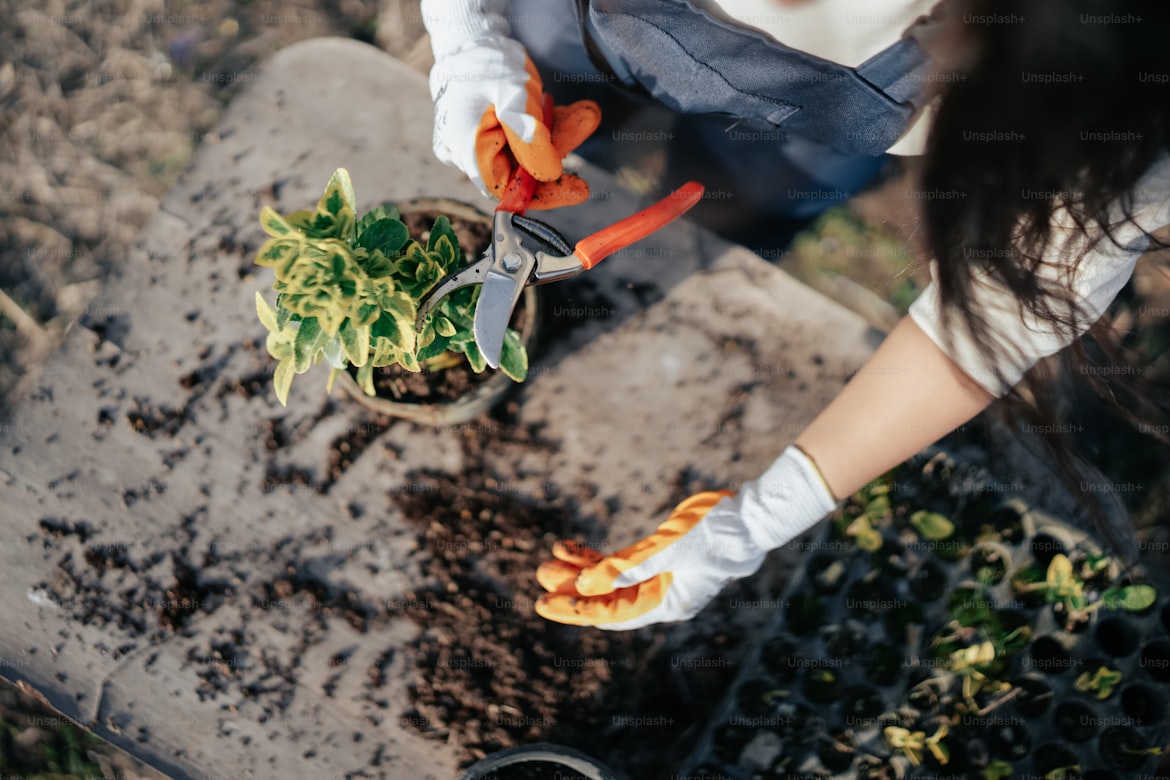
In today’s fast-paced world, many people search for natural ways to reduce stress and improve emotional well-being. While therapy, exercise, and mindfulness practices often receive attention, gardening has quietly emerged as a powerful tool for supporting mental health. Spending time among plants offers a unique combination of physical activity, relaxation, and connection with nature that can positively influence both the mind and body.
The relationship between humans and plants extends far beyond aesthetics. Gardening provides a sense of purpose, encourages mindfulness, and creates opportunities for personal growth. As more research highlights the benefits of nature-based activities, therapeutic gardening benefits are gaining recognition as an effective way to support emotional wellness and enhance overall quality of life.
Understanding the Connection Between Nature and the Mind
Humans have a natural connection with the environment. Throughout history, people have relied on nature for survival, comfort, and restoration. Even today, spending time in green spaces can help individuals feel calmer and more balanced.
Researchers have found that exposure to natural environments may help lower stress levels and improve mood. Furthermore, interacting with plants encourages people to slow down and focus on the present moment. This simple shift in attention can provide relief from the constant demands and distractions of daily life.
Reducing Stress Through Meaningful Outdoor Activity
Stress is one of the most common challenges affecting mental health. Work responsibilities, family obligations, and financial pressures can create ongoing tension that impacts emotional well-being. Gardening offers a healthy outlet for managing these pressures.
Digging, planting, watering, and pruning require gentle physical effort while encouraging relaxation. Additionally, repetitive gardening tasks often create a calming rhythm that helps quiet anxious thoughts. As a result, many people report feeling more peaceful and refreshed after spending time in their gardens.
Building Confidence Through Small Achievements
One of the most rewarding aspects of gardening is witnessing progress over time. Watching seeds sprout, flowers bloom, or vegetables grow provides tangible evidence that effort leads to positive results.
These small successes can significantly boost self-esteem. Moreover, caring for living plants creates a sense of responsibility and accomplishment. For individuals experiencing low motivation or emotional difficulties, achieving gardening goals can provide valuable encouragement and renewed confidence.
Encouraging Mindfulness and Present-Moment Awareness
Mindfulness involves paying attention to the present without becoming overwhelmed by worries about the future or regrets about the past. Gardening naturally supports this practice by directing focus toward immediate tasks and sensory experiences.
The texture of soil, the scent of flowers, and the sound of birds create opportunities for mindful engagement. Consequently, gardening helps individuals become more aware of their surroundings while reducing mental clutter. This increased awareness can contribute to greater emotional stability and overall well-being.
Strengthening Emotional Resilience Through Patience
Gardening teaches valuable lessons about patience and acceptance. Plants grow according to natural timelines, and not every gardening effort produces immediate results. Learning to work with these realities can strengthen emotional resilience.
Furthermore, gardeners often face setbacks such as unfavorable weather, pests, or unsuccessful harvests. These challenges encourage adaptability and problem-solving. Over time, the experience of nurturing growth despite obstacles can help individuals develop healthier responses to life’s difficulties. During this process, many discover the value of nature-based stress relief as a long-term strategy for maintaining emotional balance.
Creating Opportunities for Social Connection
Although gardening can be a peaceful solo activity, it also creates opportunities for meaningful social interaction. Community gardens, gardening clubs, and local workshops bring people together around a shared interest.
Social connections play a crucial role in mental health. Participating in gardening groups allows individuals to exchange knowledge, build friendships, and feel part of a supportive community. Therefore, gardening can reduce feelings of isolation while fostering a stronger sense of belonging.
Supporting Physical Health Alongside Mental Wellness
Mental and physical health are closely connected. Gardening provides moderate physical activity that can improve flexibility, strength, and cardiovascular health. Even simple gardening tasks encourage movement and time spent outdoors.
In addition, exposure to natural sunlight supports healthy vitamin D levels, which may contribute to improved mood. Combining physical activity with nature exposure creates a powerful foundation for overall wellness. As a result, gardening supports both the body and mind in ways that complement one another.
Cultivating Long-Term Happiness Through Plant Care
The benefits of gardening often extend far beyond the time spent outdoors. Caring for plants creates an ongoing relationship with growth, renewal, and positive change. This continuous process can provide lasting satisfaction and a deeper sense of purpose.
Many gardeners find joy in watching their efforts transform a space over time. The presence of thriving plants can also make homes and outdoor areas feel more welcoming and peaceful. Through green space therapy, individuals often develop healthier routines that support emotional well-being for months and even years to come.
As awareness of mental health continues to grow, gardening stands out as an accessible and effective tool for self-care. It combines physical activity, mindfulness, creativity, and connection with nature in a way that supports emotional resilience and personal growth. Whether tending a large backyard garden or caring for a few potted plants, people can experience meaningful mental health benefits through the simple act of nurturing life.