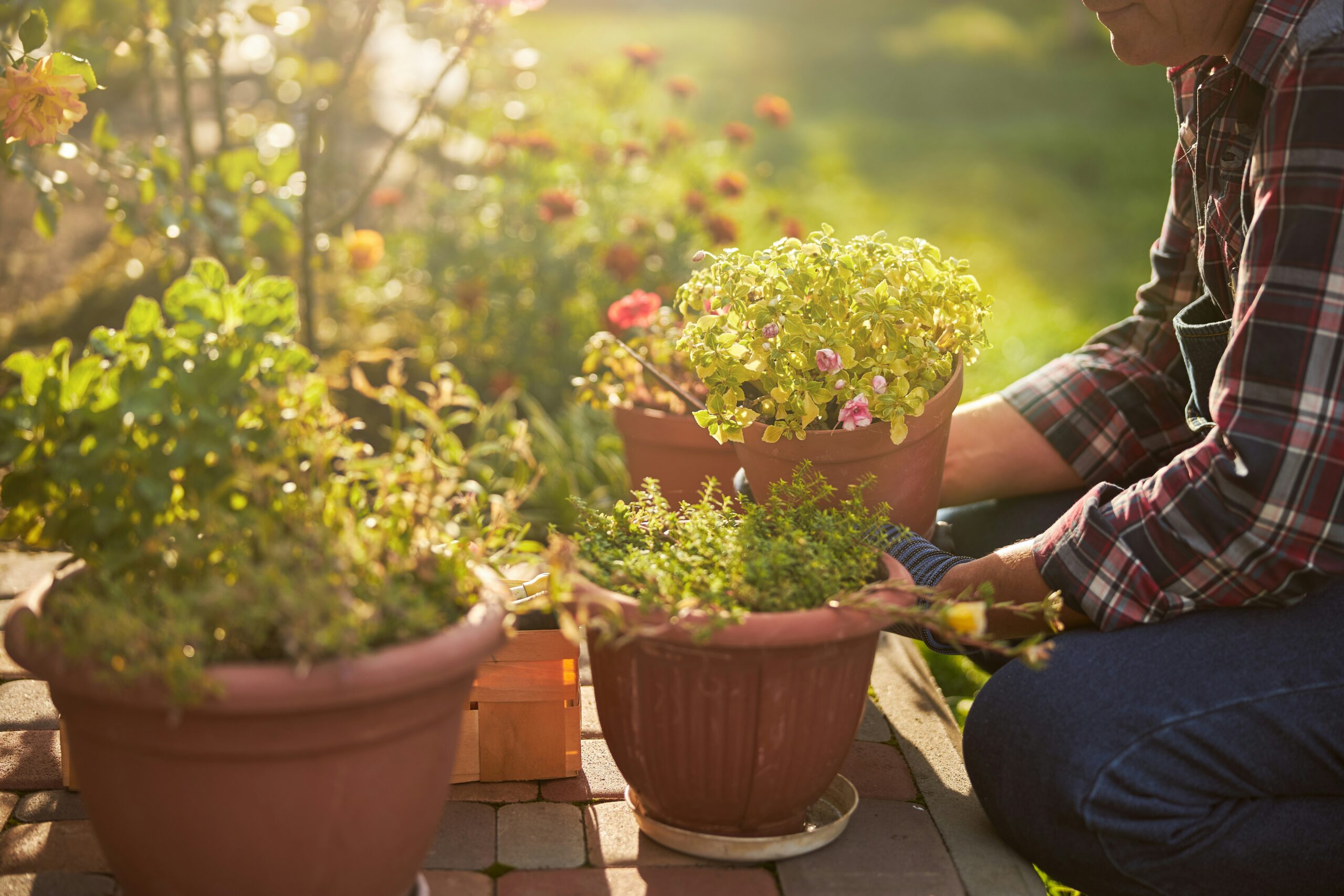
Mental well-being is an important part of a healthy life. People often focus on physical fitness, but emotional health deserves equal attention. Stress, worry, and daily challenges can affect how people think and feel. Many individuals are looking for natural ways to support their emotional balance without adding more pressure to their routines. Gardening has become one of the most effective and enjoyable options. Working with plants offers a simple way to relax, stay active, and connect with nature. The growing interest in gardening for mental health reflects the increasing awareness of how outdoor activities can support emotional wellness. Gardening allows people to slow down and focus on positive actions. It creates opportunities to care for something living while enjoying the beauty of nature. Mental Health improves when individuals engage in activities that bring peace, purpose, and satisfaction. For many people, gardening provides all of these benefits in a natural and rewarding way.
Caring for Plants Encourages a Positive Mindset
A healthy mindset often develops through positive daily experiences. Gardening offers many opportunities for small successes that can improve emotional well-being. Every seed planted represents a new beginning. Watching a plant grow from a tiny seed into a healthy flower or vegetable creates excitement and hope. These moments help people focus on progress instead of problems. Caring for plants also teaches patience because growth takes time and effort. Gardeners learn to appreciate gradual improvement rather than expecting immediate results. This lesson can be valuable in other areas of life as well. Mental Health benefits when people develop realistic expectations and celebrate small achievements. Gardening also encourages gratitude by helping individuals notice the beauty of nature. Spending time among plants often inspires feelings of appreciation and optimism. These positive emotions can reduce stress and improve overall mood. Through regular gardening activities, people develop a stronger, more positive outlook on life.
Gardens Offer a Break from Everyday Pressure
Modern life can feel overwhelming. Many people spend hours looking at screens, managing responsibilities, and dealing with constant distractions. Gardening provides an opportunity to step away from these pressures and enjoy a more peaceful environment. Time spent in a garden encourages individuals to focus on simple tasks rather than worrying about future concerns. Watering plants, removing weeds, and preparing soil require attention, but they do not create unnecessary stress. Instead, these activities allow the mind to rest and recover. Mental Health often improves when people take breaks from demanding schedules. Gardens offer a natural setting where relaxation happens more easily. The sounds of birds, the scent of flowers, and the sight of greenery help create a calming experience. These elements work together to reduce emotional tension and encourage inner peace. Even a short period spent caring for plants can help individuals feel refreshed and better prepared to handle daily challenges.
Growing Plants Builds Confidence and Purpose
Many people feel happier when they have meaningful goals to pursue. Gardening provides a clear sense of purpose because plants depend on consistent care and attention. Gardeners become responsible for helping living things grow and thrive. This responsibility often creates feelings of pride and accomplishment. Every healthy plant reflects the effort invested in its care. These visible results can improve confidence and encourage continued involvement. Mental Health benefits when people feel capable and productive. Gardening offers a practical way to experience these positive feelings. It also provides opportunities to learn new skills, solve problems, and overcome challenges. When plants face challenges such as pests or adverse weather, gardeners learn to adapt and respond effectively. These experiences build resilience and strengthen self-belief. In the midst of personal growth journeys, plant therapy benefits help individuals build confidence and create meaningful connections with the natural world.
Nature Supports Emotional Balance and Recovery
The relationship between people and nature has existed for thousands of years. Many individuals feel calmer when they spend time outdoors surrounded by plants and natural landscapes. Gardening strengthens this connection by encouraging direct interaction with nature. People touch the soil, observe seasonal changes, and witness the cycles of growth and renewal. These experiences remind individuals that change is a natural part of life. Mental Health often improves when people spend time in environments that promote calm and reflection. Nature encourages slower thinking and helps reduce feelings of overwhelm. Gardening also provides opportunities for mindfulness because it requires attention to the present moment. Instead of focusing on worries or past mistakes, gardeners concentrate on their plants’ needs. This shift in attention can improve emotional balance and support recovery from everyday stress. The natural world offers valuable lessons about patience, resilience, and renewal that contribute to overall well-being.
Shared Gardening Activities Strengthen Social Connections
Human connection plays a major role in emotional wellness. Strong relationships provide support, encouragement, and a sense of belonging. Gardening can help build these connections in many different ways. Community gardens bring people together to work toward common goals while sharing knowledge and experiences. Families often enjoy gardening as a group activity that encourages cooperation and communication. Friends may exchange plants, gardening advice, or fresh produce from their gardens. These interactions help create meaningful relationships and reduce feelings of isolation. Mental Health benefits when individuals feel connected to others and supported by their communities. Gardening provides a comfortable setting where conversations develop naturally. People often find it easier to connect when they are focused on a shared activity. As gardening continues to grow in popularity, more individuals are discovering the value of natural mental wellness solutions through plants, outdoor experiences, and supportive social connections that enrich everyday life and promote lasting emotional health.