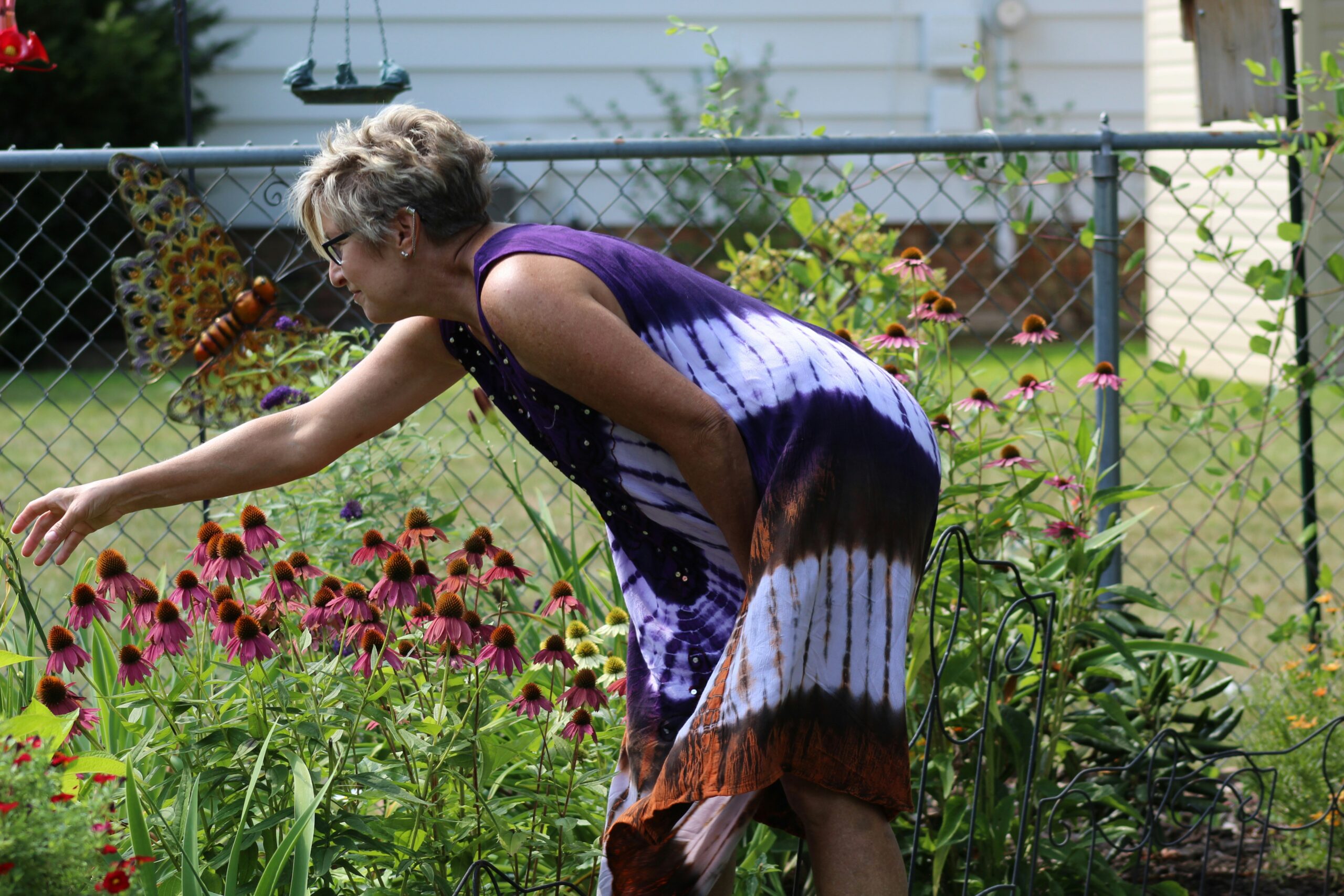
Post-traumatic stress disorder can disrupt a person’s sense of safety, stability, and emotional balance. It often brings intrusive memories, anxiety, sleep problems, and heightened stress responses. While professional treatment remains essential, many people also benefit from calming, hands-on activities that support emotional recovery in daily life. Gardening stands out as one of the most natural and accessible forms of support.
Working with plants creates a steady connection to the present moment. In addition, it offers a structured yet gentle routine that helps the mind slow down. Over time, gardening can become a powerful tool that supports emotional grounding, reduces stress, and quietly and consistently encourages healing.
Rebuilding a Sense of Safety Through Nature
PTSD often affects how safe a person feels in the world. Everyday environments can feel unpredictable or overwhelming. Gardening helps counter this by creating a controlled, familiar space where individuals can feel more at ease.
A garden offers predictable patterns. Plants grow steadily, and daily care routines remain simple and repeatable. This consistency helps restore a sense of stability. As a result, the mind relaxes more easily over time.
In addition, natural surroundings tend to feel less threatening than busy or crowded environments. The soft presence of greenery, fresh air, and sunlight helps reduce emotional tension. Slowly, this environment becomes a personal space of comfort and calm.
Restoring Emotional Balance Through Simple Focus
One of the most difficult aspects of PTSD is the emotional intensity that appears without warning. Gardening helps balance these emotions by guiding attention toward simple, manageable tasks.
When a person focuses on planting, watering, or pruning, their attention shifts away from distressing thoughts. This gentle redirection helps reduce emotional overwhelm. In addition, the simplicity of gardening tasks makes it easier to stay present.
Because these activities do not require complex decision-making, they create mental space for relaxation. Over time, this steady focus can help improve emotional regulation and reduce feelings of anxiety.
Encouraging Gentle Physical Engagement
Gardening also supports the body in ways that benefit emotional health. Activities like digging, carrying soil, and moving through a garden encourage natural physical movement.
This movement helps release stored tension, which often builds up in the body during periods of stress. In addition, outdoor activity supports better sleep and improved energy levels, both of which are commonly affected by PTSD.
Since gardening does not require intense physical effort, it remains accessible to many people. Individuals can adjust their activity level based on how they feel each day, enhancing their comfort and flexibility.
Creating Structure Without Pressure
People with PTSD often struggle with disrupted routines. Days may feel unstructured or unpredictable, which can increase emotional stress. Gardening introduces a gentle sense of structure without pressure.
Plants require regular care, but the tasks are simple and flexible. Watering, checking soil, or removing dead leaves can become small daily routines. These consistent actions help create a sense of order.
At the same time, gardening does not demand strict schedules. This balance between structure and flexibility allows individuals to regain a sense of routine at their own pace. As a result, they often feel more grounded and organized over time.
Supporting Mindfulness and Present Awareness
Mindfulness plays an important role in managing PTSD symptoms. Gardening naturally encourages this state by drawing attention to the present moment.
While working with plants, individuals focus on sensory experiences. They notice textures, colors, and small changes in their environment. This attention helps shift focus away from intrusive thoughts or emotional distress.
In addition, gardening involves repetition, which supports mental calmness. Repeated actions, like watering or tending the soil, create a soothing rhythm. This rhythm helps quiet the mind and encourages relaxation.
Strengthening Emotional Connection Through Care
PTSD can sometimes create emotional distance, making it harder to feel connected to oneself or others. Gardening helps rebuild this connection by caring for living things.
When individuals nurture plants, they take part in a process of growth and change. Watching a plant develop over time creates a sense of responsibility and emotional engagement. This connection often feels meaningful and grounding.
In addition, caring for plants can reflect personal healing. As plants grow with attention and patience, individuals may begin to feel their own sense of growth and recovery. This parallel can be deeply encouraging.
Reducing Isolation Through Shared Experiences
Many people with PTSD withdraw from social interactions. Gardening can gently and comfortably help reduce this isolation.
Community gardens and shared green spaces allow individuals to work alongside others without pressure. People can interact casually while focusing on their own tasks. This low-pressure environment makes social connections feel safer.
Over time, small interactions can build trust and confidence. Simple conversations about plants or gardening techniques can create meaningful social moments without emotional strain. As a result, individuals may slowly feel more connected to others.
Supporting Professional Treatment and Recovery
Gardening does not replace therapy or medical care. However, it can strongly support professional treatment by reinforcing emotional coping skills in everyday life.
Many therapists encourage grounding activities that help regulate stress responses. Gardening fits naturally into this approach because it promotes focus, calmness, and emotional stability. It provides a real-world setting where individuals can practice staying present and balanced.
In addition, gardening is highly adaptable. It can take place in large outdoor spaces or small indoor containers. This flexibility allows individuals to benefit regardless of their living environment.
Growing Toward Long-Term Healing
Recovery from PTSD is not a quick process. It develops gradually through consistent care, support, and time. Gardening reflects the same pattern of slow, steady growth.
Plants do not change overnight. They grow step by step, responding to light, water, and care. This process mirrors emotional healing, which also unfolds gradually. Because of this similarity, gardening can feel especially meaningful during recovery.
As individuals continue to garden, they often notice subtle improvements in their emotional well-being. Moments of calm become more frequent, and stress may feel more manageable over time. These small changes add up to long-term progress.
Most importantly, gardening offers hope. It shows that growth is still possible, even after difficult experiences. Through patience, care, and connection with nature, individuals can move steadily from trauma toward a greater sense of peace and emotional stability.