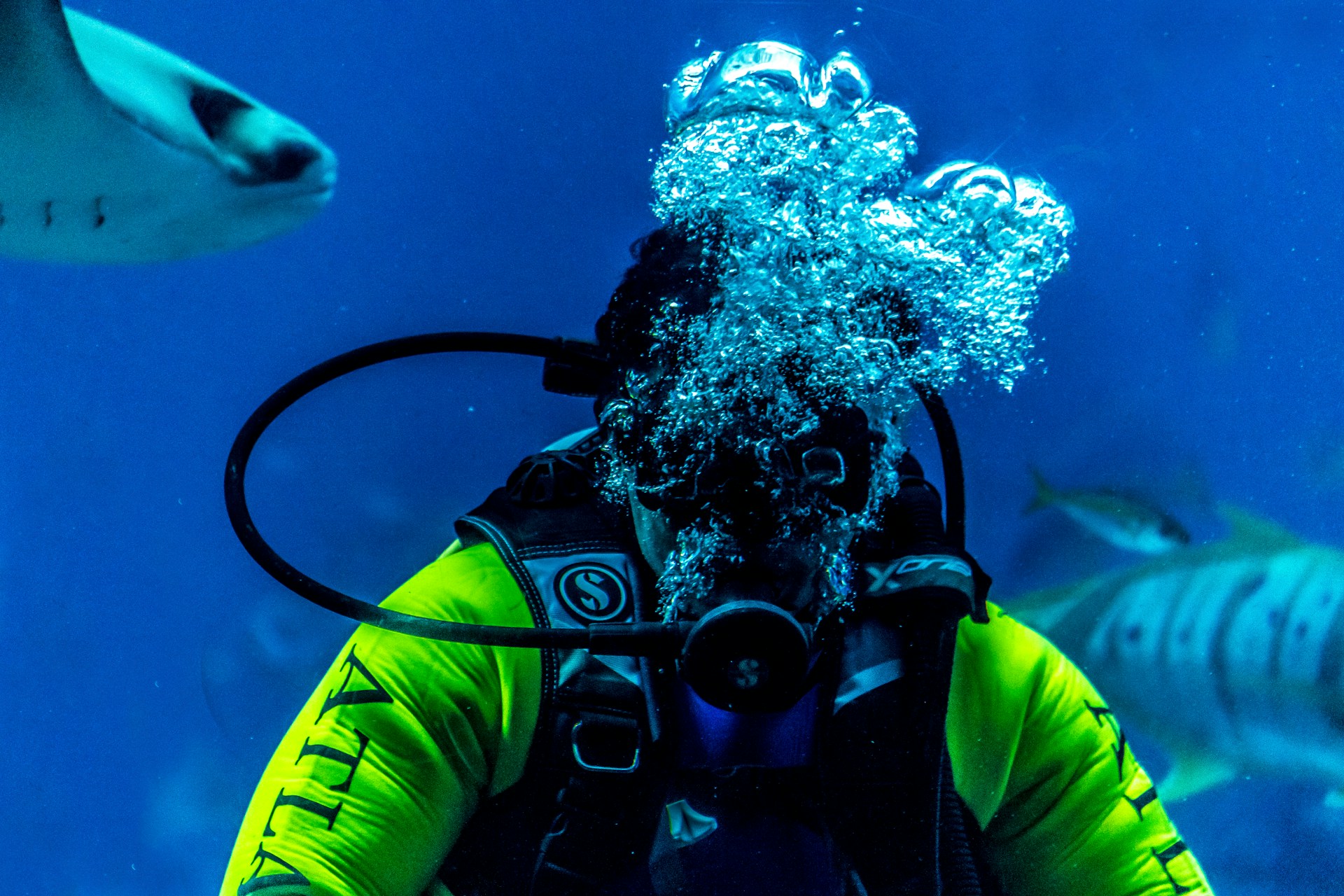
Scuba diving offers more than just a view of marine life; it opens the door to a calmer, more focused state of mind. Many people begin diving for fun, yet they quickly notice bigger changes in how they feel each day. As you move through the water, your body slows down, and your thoughts begin to settle. This shift is not accidental; it comes from the science behind diving and how the body reacts to it. In fact, more people are now exploring underwater relaxation techniques to improve both mental clarity and physical balance.
At the same time, diving removes you from daily distractions. You cannot check your phone or rush through tasks. Instead, you focus on your breath and your surroundings. Because of this, your mind gets a natural break from stress, which helps you feel refreshed when you return to the surface.
How pressure affects your body in a positive way
Water pressure plays a major role in how your body responds underwater. As you descend, the pressure gently compresses your body, improving blood circulation. This process allows oxygen to move more efficiently through your system. As a result, your heart works steadily and in a controlled manner.
In addition, the water supports your body weight. This reduces strain on joints and muscles, which makes movements feel smooth and easy. Because of this, diving becomes a low-impact activity that still offers strong physical benefits. Many people who struggle with high-impact exercise find diving to be a comfortable and effective option.
The power of controlled breathing
Breathing underwater is slow, steady, and intentional. At first, this may feel unusual, but it soon becomes natural. As you continue diving, your breathing pattern begins to match that of relaxation exercises used in meditation. This helps lower your heart rate and reduce feelings of anxiety.
Moreover, controlled breathing improves lung capacity over time. Divers often notice that they can take deeper breaths even when they are not underwater. As a result, they feel more in control during stressful situations. This simple habit can carry into daily life and help manage pressure at work or home.
Strength and endurance without harsh strain
Scuba diving works your entire body in a gentle yet effective way. As you swim, your legs provide power, while your core keeps you balanced. Your arms help guide movement, creating a full-body workout that feels natural. Unlike heavy workouts, this type of movement does not place sudden stress on your body.
Additionally, water resistance helps build endurance. Every movement requires effort, yet it feels smooth because of the surrounding water. Over time, this improves muscle tone and stamina. Many divers notice increased energy levels after regular dives, which supports an active lifestyle.
A natural way to improve mental focus
Diving requires attention and awareness. You must monitor your air supply, control your position, and stay aware of your environment. Because of this, your brain stays fully engaged in the present moment. This helps improve focus and decision-making skills.
Furthermore, this level of awareness carries over into daily life. People often find they can concentrate better at work or school. They also feel more organized and calm when handling tasks. This improvement in focus becomes one of the most valuable benefits of diving.
Emotional balance through ocean connection
The ocean has a calming effect that is hard to match. As you explore underwater environments, you experience a sense of peace that is difficult to find elsewhere. The colors, the quiet, and the slow movement of marine life all work together to lift your mood.
In the middle of this experience, many divers discover the value of marine therapy in improving emotional health. This connection to nature helps reduce stress and supports a positive mindset. Over time, it creates a stronger sense of balance and well-being.
Building confidence through skill and control
Learning to dive takes patience and practice. At first, it may feel challenging, but each successful dive builds confidence. You learn to trust your skills and remain calm in new situations. This sense of control is both empowering and rewarding.
As a result, many divers feel more confident in other areas of life. They become more open to new experiences and challenges. This growth helps improve both personal and professional confidence, making diving a powerful tool for self-development.
Long-term benefits that go beyond the ocean
The benefits of scuba diving do not end when the dive is over. Instead, they continue to influence your daily life. Better breathing, improved focus, and increased confidence all contribute to a healthier lifestyle. Because of this, many people choose to make diving a regular part of their routine.
In conclusion, the science behind scuba diving shows that it is more than just an adventure. It is a practical way to improve both mind and body through natural processes. As more people discover its value, they begin to use it as a tool for long-term wellness. This growing interest highlights the importance of scuba wellness lifestyle in creating a balanced and fulfilling life.