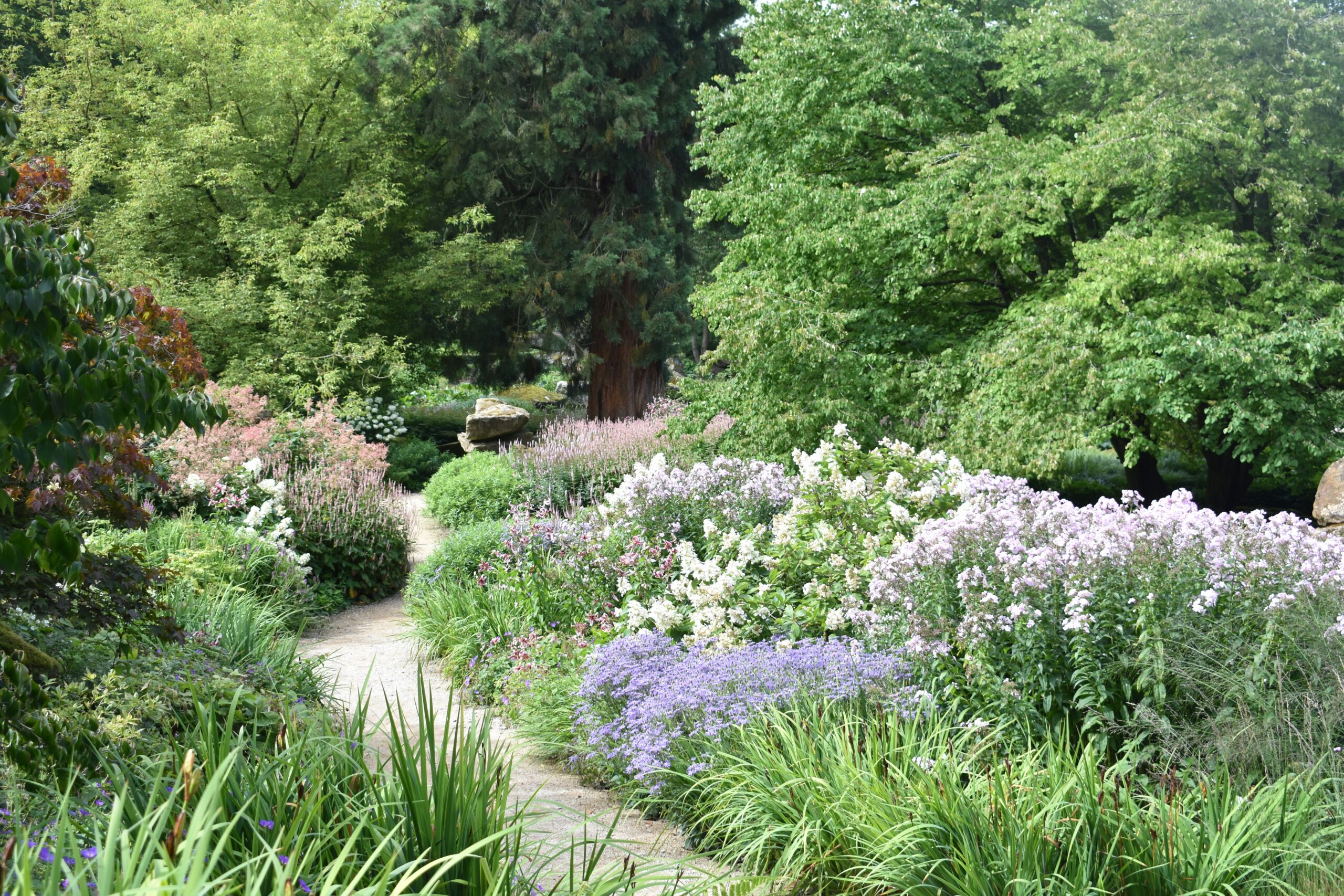
A garden can offer more than attractive flowers, green leaves, and a pleasant outdoor view. When designed with comfort and emotional well-being in mind, it can become a quiet place for reflection, relaxation, and recovery. Creating a healing garden allows people to connect with nature while stepping away from noise, screens, and everyday pressure. As a result, even a small outdoor area can become a meaningful part of a healthier daily routine.
A healing garden does not require a large property or an expensive design. Instead, thoughtful choices can transform a backyard, patio, courtyard, balcony, or other available space. Comfortable seating, calming plants, gentle sounds, and simple pathways can help create a peaceful garden for recovery. Most importantly, the space should feel safe, welcoming, and easy to use.
Begin With a Clear Purpose
Before choosing plants or furniture, consider how you want to use the garden. Some people may want a quiet place for reading and meditation, while others may need an outdoor area to rest during physical or emotional recovery. Therefore, understanding the main purpose can guide every design decision.
A healing garden should reduce unnecessary distractions. Instead of filling every available area, leave enough open space to create calm. Additionally, keep the layout simple so visitors can easily understand where to walk, sit, or relax. A clear design can make the environment feel more comfortable and less demanding.
Choose Plants That Create a Calming Atmosphere
Plants form the heart of most healing garden designs. Greenery can soften hard surfaces and introduce natural colors, textures, and movement. So, choose plants that fit the local climate and available sunlight to make the garden easier to maintain.
Consider combining different plant types to create visual interest without making the space feel crowded. Flowers can add seasonal color, while shrubs and leafy plants can provide a stable green background. Fragrant herbs or flowers may also contribute pleasant scents. However, strong fragrances may not suit everyone, so gentle choices often work better in shared or recovery-focused spaces.
Create Comfortable Places to Rest
A peaceful garden should invite people to slow down. Comfortable seating lets visitors spend time outside without feeling they need to stay active. As a result, benches, chairs, or other supportive seating can become essential features.
Place seating where visitors can enjoy greenery, shade, or a favorite view. Also consider how sunlight changes throughout the day. A shaded seat may offer comfort during warm afternoons, while a sunny area may feel pleasant during cooler mornings. Providing more than one seating option can also give people greater control over their experience.
Use Paths to Encourage Gentle Movement
Garden paths can provide structure while encouraging slow and comfortable movement. A clear pathway can invite someone to take a short walk, observe plants, or simply move from one resting area to another.
For a healing garden, paths should feel stable and easy to navigate. Smooth surfaces and gentle curves can create a relaxed experience. Wide paths may also improve accessibility for people who use mobility aids or need extra space. Thoughtful pathway design can make the garden feel more welcoming to a wider range of visitors.
Add Natural Sounds for Greater Calm
Sound can strongly influence the atmosphere of an outdoor space. Traffic, nearby conversations, and mechanical noise may interrupt relaxation. However, natural sounds can help create a softer environment.
A small fountain or other water feature can introduce gentle background sound. Likewise, plants that move lightly in the breeze may add subtle natural noise. Birds can also bring life and sound to the garden when suitable plants attract them. Still, simplicity matters because too many competing sounds can reduce the space’s peaceful quality.
Consider Color Carefully
Color can shape the overall feeling of a healing garden. Bright colors may create energy, while softer combinations can support a quieter atmosphere. Designers should choose colors based on the mood they want the garden to create.
Green naturally dominates most gardens and provides a calm visual foundation. Soft whites, blues, purples, and similar shades can complement that background. Meanwhile, small areas of brighter color can create interest without overwhelming the space. Repeating a limited range of colors throughout the garden can also create visual harmony.
Include Elements That Engage the Senses
A well-designed healing garden can gently engage more than one sense. Visitors may see changing colors, hear water, touch textured leaves, or notice natural fragrances. These experiences can encourage people to focus on the present moment.
However, keep sensory features balanced. Too many strong scents, colors, or textures can become distracting. Instead, choose a few natural elements that encourage calm observation. For example, soft foliage near a seating area or aromatic herbs beside a pathway can add interest without making the environment feel busy.
Provide Privacy Without Creating Isolation
Privacy can make relaxation easier, especially when someone needs quiet time during recovery. Fences, hedges, screens, and taller plants can help separate a healing garden from busy surroundings.
At the same time, complete isolation may not always feel comfortable. Therefore, the design should create a sense of protection without making the space feel closed. Partial screening can provide privacy while still allowing sunlight, airflow, and views of the surrounding environment. This balance can make the garden feel both secure and open.
Keep Maintenance Simple
A healing garden should provide comfort rather than add stress. For this reason, consider maintenance requirements carefully during the design process.
Choose plants that suit local growing conditions and do not require constant attention. Simple irrigation methods can also make watering easier. Durable furniture and practical pathways can also reduce ongoing work. When maintenance remains manageable, people can spend more time enjoying the garden instead of constantly caring for it.
Make the Garden Accessible and Personal
Every person may experience comfort differently. Therefore, a successful healing garden should reflect its users’ needs and preferences. Someone may enjoy a quiet reading corner, while another person may prefer an open view filled with flowers.
Accessibility should also remain a priority. Paths, seating, entrances, and important garden features should be easy to reach whenever possible. Adding meaningful personal touches can also strengthen the emotional connection to the space. A favorite plant, familiar decoration, or special seating area can make the garden feel more personal.
Allow Nature to Support the Recovery Experience
Creating a healing garden does not mean designing a medical treatment. Instead, it means creating an environment that complements rest, reflection, and healthy routines. Spending time around plants may encourage people to slow down, observe their surroundings, and enjoy gentle outdoor activity.
Ultimately, the best healing garden combines simplicity, comfort, accessibility, and connection with nature. Plants, pathways, seating, sounds, and privacy should work together rather than compete for attention. The space should also adapt to the people who use it. By designing with purpose and care, even a modest garden can become a peaceful setting where people can rest, recover, and reconnect with everyday moments of calm.