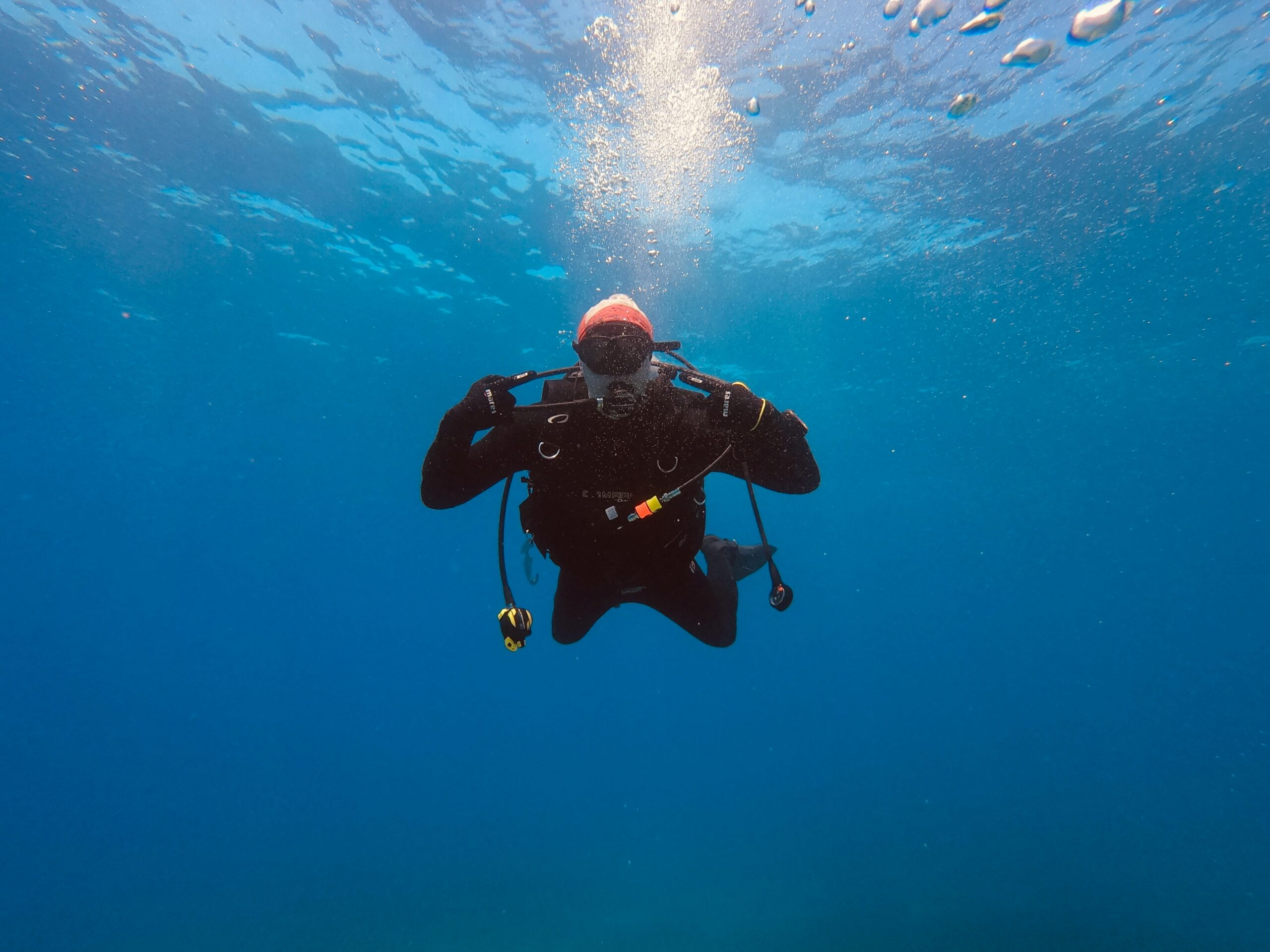
Scuba diving offers a rare blend of calm, challenge, and discovery that encourages stronger emotional balance and physical resilience. Because each dive requires steady breathing, controlled movement, and focused attention, participants often experience a deep sense of clarity that continues long after leaving the water.
As divers explore vibrant marine environments, they strengthen muscles, improve stamina, and enhance coordination through consistent movement against water resistance. This immersive activity also delivers a powerful health benefit by supporting cardiovascular function and promoting controlled breathing patterns.
Underwater Calm Creates Stronger Emotional Balance
Scuba diving places people in an environment where slow, rhythmic breathing guides every motion, encouraging a calmer mindset. Since underwater spaces naturally mute sound, the quiet atmosphere helps reduce daily pressures that often cloud concentration. While divers adjust to a gentle pace, they learn to relax their thoughts, which supports improved mood and clarity.
The surroundings also spark curiosity, further boosting mental wellness. As divers watch marine life move in natural harmony, they often shift their focus from anxiety to appreciation. This shift supports positive cognition, and over time, repeated exposure to soothing underwater scenes enhances inner peace. Even after returning to the surface, people continue to feel the refreshing effects of these moments, which strengthen overall emotional stability.
Deep Breathing Strengthens Cognitive Wellness
Every dive begins with deliberate breath control, and this habit benefits the mind in powerful ways. Because oxygen flow stabilizes through steady inhale-exhale cycles, cognitive function often improves. Clearer thinking helps divers stay aware of their surroundings and supports mental sharpness in daily life. This mindful breathing becomes easier with practice, and many find it contributes to improved focus beyond underwater activities.
Moreover, scuba diving introduces consistent problem-solving moments that sharpen resilience. When divers adjust buoyancy, read gauges, or navigate new areas, their minds engage in continuous learning. Since these tasks require calm decision-making, the brain becomes more skilled at handling challenges without frustration. This strengthens cognitive flexibility, helping people maintain strong mental performance during both routine tasks and stressful situations.
Underwater Movement Promotes Full-Body Fitness
Physical health improves naturally during scuba diving because every motion works against water resistance. As divers glide through currents, they activate major muscle groups, especially in the legs, core, and back. These movements build strength while remaining gentle on joints, which makes scuba diving suitable for a wide range of fitness levels. Because water supports body weight, individuals can move freely without strain, encouraging regular participation.
Endurance also grows through continuous swimming and controlled breathing. Since underwater activity requires stable airflow and balanced movement, lung capacity often increases. Stronger cardiovascular function supports heart health and general energy levels, benefiting people long after the dive ends. In addition, repeated immersion helps the body adapt to moderate physical demand, creating a sustainable exercise routine that enhances overall fitness.
Shared Experiences Support Social Wellness
Many people begin scuba diving with friends, family, or local groups, and these shared experiences strengthen social bonds. Since safety depends on cooperation, divers learn to trust one another through communication and teamwork. This support fosters meaningful connections, which play an important role in long-term emotional wellness. Because group activities reduce isolation, participants often feel more confident and motivated.
Beyond trust, diving communities build opportunities for personal growth. When people gather to discuss innovative techniques, plan trips, or explore new sites, they form friendships grounded in shared enthusiasm. These interactions promote a sense of belonging, which helps reduce stress and improve mood. As divers continue learning together, they create lasting memories that reinforce positive social health and enhance overall happiness.
Long-Term Health Benefits of Regular Diving
Consistent scuba diving delivers lasting improvements that extend well beyond individual trips. Because the activity blends cardiovascular engagement, muscle activation, and controlled breathing, the body adapts in ways that strengthen endurance and stability over time. Divers who practice regularly often notice improved posture, stronger core muscles, and better overall mobility.
Mental resilience also develops through repeated exposure to underwater challenges. Each dive requires awareness, patience, and steady decision-making, which trains the brain to remain calm under pressure. As divers grow more confident in managing equipment and navigating open water, they carry that composure into everyday responsibilities.
Consistent Practice Encourages Healthy Lifestyle Habits
Scuba diving naturally inspires people to adopt healthier routines. Because diving requires stamina, strength, and calm breathing, individuals often choose to exercise regularly to maintain readiness. This commitment improves overall fitness and encourages long-term wellness. As divers develop skills, they also learn the value of preparation, hydration, and balanced nutrition, which further support healthy living.
The sport also motivates people to protect ocean environments, and this environmental awareness enriches personal purpose. When individuals recognize how their actions influence natural spaces, they gain motivation to live more thoughtfully. This lifestyle shift promotes responsibility, positivity, and resilience. Together, these habits create a strong foundation for mental and physical health, making scuba diving an enduring path to personal growth.
Exploring Nature Strengthens Mind-Body Connection
Scuba diving invites people to step away from everyday noise and immerse themselves in natural beauty through a truly unique adventure. Because the underwater world offers color, motion, and texture not seen on land, divers often feel a heightened sense of awareness. This awareness deepens the mind-body connection, reinforcing mindfulness skills that improve daily focus. When individuals tune in to their surroundings with intention, they also notice their own movements more clearly, which enhances coordination and balance.
The connection grows even stronger as divers become familiar with marine ecosystems. Watching coral sway or fish glide encourages appreciation for delicate environments, and this sense of wonder supports emotional health. Experiencing these scenes firsthand helps people feel grounded, reducing tension and encouraging gratitude.