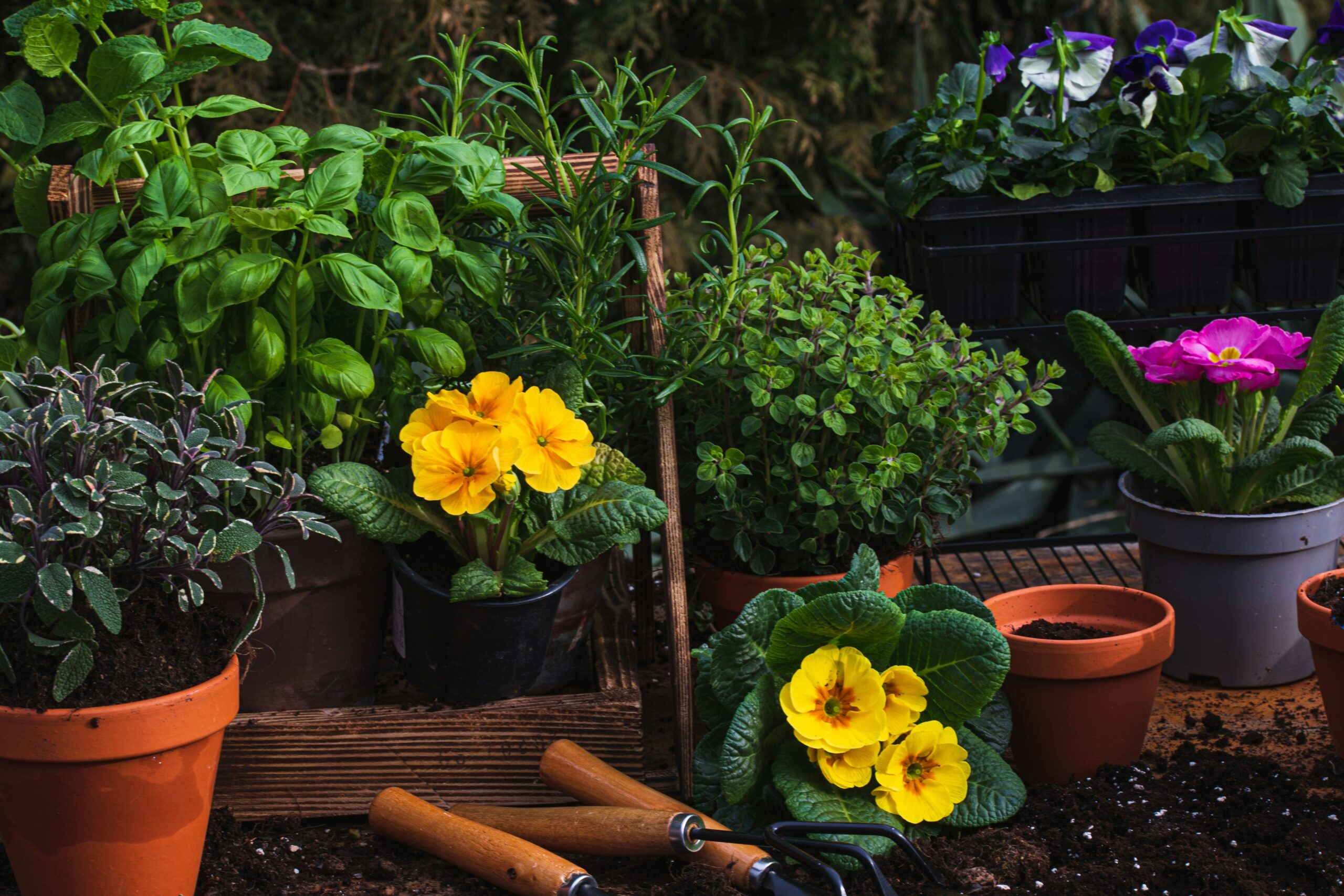
Healing through horticulture is gaining attention as a gentle and natural way to support mental health. For people living with post traumatic stress disorder, also known as PTSD, daily life can feel overwhelming. Loud sounds, sudden changes, and strong memories can trigger fear or panic. Many people look for safe and simple ways to cope. Gardening offers one such path. It is calm, steady, and deeply connected to the natural world.
This article explains how healing through horticulture works and why gardening helps alleviate PTSD symptoms. The focus is on simple actions, clear benefits, and real emotional relief.
Understanding PTSD and Daily Stress
PTSD can affect people of all ages and backgrounds. It may develop after trauma such as combat, abuse, accidents, or natural disasters. Symptoms often include anxiety, trouble sleeping, anger, flashbacks, and emotional numbness. These symptoms can make work, relationships, and self care difficult.
Many treatments exist, including therapy and medication. While these options help many people, they are not always enough on their own. This is where healing through horticulture can play a supportive role. Gardening does not replace professional care, but it can add comfort and structure to daily life.
What Healing Through Horticulture Means
Healing through horticulture means using gardening activities to support emotional and mental health. It involves planting, watering, harvesting, and caring for living plants. The focus is not on skill or perfection. It is about presence, patience, and connection.
Gardening helps alleviate PTSD symptoms by creating a safe space. Plants do not judge. Nature moves at a steady pace. This gentle rhythm can help calm the nervous system.
How Gardening Calms the Mind
One reason healing through horticulture works is its effect on the brain. Gardening encourages slow and steady movements. Digging soil, trimming leaves, and watering plants all require focus. This focus can pull attention away from painful thoughts.
Gardening also helps regulate breathing. Many tasks involve bending, reaching, and standing. These actions often lead to deeper and slower breaths. Calm breathing sends signals of safety to the brain.
Spending time outdoors also reduces stress hormones. Sunlight and fresh air support better mood and energy. Over time, this calm state can reduce anxiety and emotional tension.
Creating a Sense of Control and Safety
PTSD often involves a loss of control. Traumatic events happen suddenly and without warning. Gardening helps restore a sense of order. Seeds grow when cared for. Plants respond to water and light. This clear cause and effect builds trust.
Healing through horticulture allows people to make choices. They decide what to plant and when to harvest. These small decisions rebuild confidence. Feeling capable again is a powerful step in healing.
A garden also becomes a safe place. It is predictable and peaceful. This sense of safety helps the mind relax.
Physical Movement Supports Emotional Healing
Gardening is a form of gentle exercise. It involves walking, lifting small tools, and stretching. Physical movement helps release tension stored in the body.
Exercise supports better sleep, which is often a challenge for people with PTSD. Even light activity can improve rest and reduce nightmares.
Gardening also brings a sense of tired satisfaction. The body feels used in a healthy way. This can ease restlessness and irritability.
Mindfulness Through Simple Garden Tasks
Mindfulness means being present in the moment. Gardening naturally supports this practice. When planting seeds, attention stays on the task. The texture of soil, the smell of leaves, and the sound of birds all draw focus.
Healing through horticulture helps reduce flashbacks by anchoring attention in the present. The mind has less room to wander to past trauma.
Simple tasks also reduce pressure. There is no rush in a garden. Plants grow in their own time. This teaches patience and acceptance.
Emotional Growth and Hope
Watching plants grow can bring hope. A seed that sprouts shows that life continues. This visual progress is powerful for emotional healing.
Gardening helps alleviate PTSD symptoms by offering small successes. Each new leaf is a reminder of effort and care. These moments build pride and purpose.
Caring for plants also encourages self care. When people nurture a garden, they often begin to nurture themselves. This emotional shift supports long term healing.
Social Connection Through Gardening
Gardening can be a shared activity. Community gardens, group programs, and family gardens create chances for connection. Social support is important for people with PTSD.
Working alongside others reduces isolation. Conversations happen naturally and without pressure. The focus stays on plants, which feels safe.
Healing through horticulture programs are now used in many veteran centers and therapy settings. These programs show strong emotional benefits and improved social skills.
Starting Small and Staying Consistent
Beginning a garden does not require a large space. A few pots on a balcony or windowsill are enough. Herbs, flowers, or vegetables all offer benefits.
Consistency matters more than size. Spending a few minutes each day with plants builds routine. Routine helps create stability and calm.
Gardening should feel enjoyable, not stressful. Mistakes are part of the process. Plants are resilient, and so are people.
A Gentle Path Toward Healing
Healing through horticulture offers a natural way to support emotional recovery. Gardening helps alleviate PTSD symptoms by calming the mind, restoring control, and building hope. It encourages movement, mindfulness, and connection.
While gardening is not a cure, it is a powerful companion to healing. With soil on the hands and sunlight on the face, many people find peace one plant at a time.