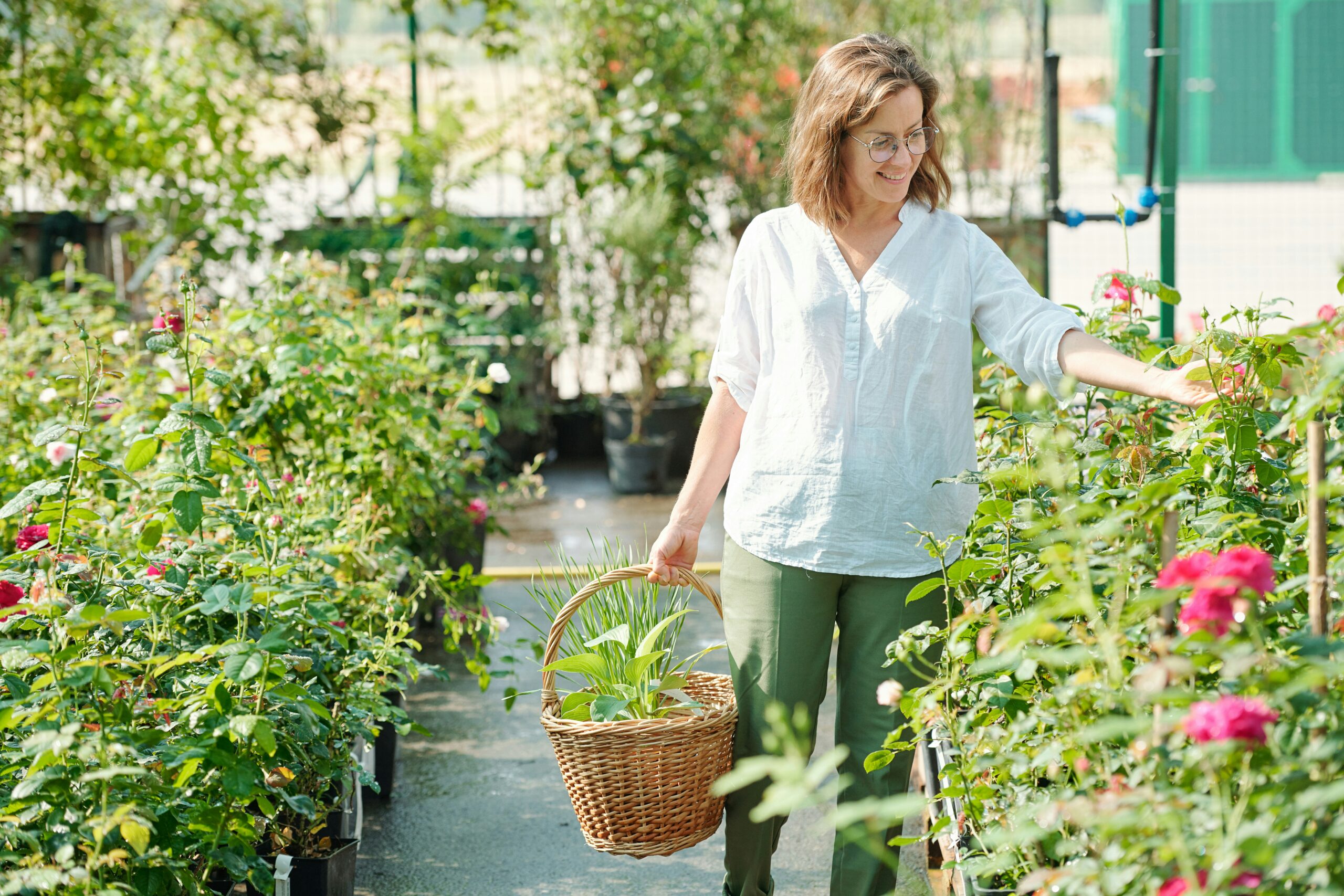
Gardening for mental health offers more than a peaceful hobby. It creates a powerful link between people and nature, supporting emotional balance and inner calm. When life feels heavy, stepping into a garden can shift your mood and bring steady comfort. Many people now explore gardening for mental health as a natural way to reduce stress, build focus, and feel grounded in a busy world.
As mental health concerns continue to rise, more families and communities turn to simple, low-cost wellness tools. Gardening stands out because it blends movement, sunlight, creativity, and care into one healing activity. Moreover, it encourages routine and responsibility, which support emotional stability. By working with soil and plants, you create space for reflection, hope, and growth.
How Gardening Reduces Stress and Anxiety
Stress often builds when the mind stays stuck on worries or future fears. However, gardening pulls your attention into the present moment. When you dig, plant, water, and prune, you focus on each small action. This steady focus lowers racing thoughts and calms the nervous system. In addition, natural settings lower cortisol levels, helping your body relax and recover from tension.
Gardening also provides gentle physical activity, which supports mental health in clear ways. Movement releases endorphins, which lift mood and reduce anxiety. At the same time, sunlight boosts vitamin D levels, which play a role in emotional balance. As a result, people who practice gardening therapy techniques often report lower stress and a greater sense of peace after spending time outdoors.
The Emotional Healing Power of Caring for Plants
When you nurture plants, you witness growth over time. This process builds patience and hope. You plant a seed, water it, and trust that it will grow. That simple act mirrors emotional healing. Although progress may feel slow, steady care creates change. Therefore, gardening teaches resilience and reminds you that growth takes time.
Caring for plants also builds a sense of purpose. Each plant depends on your attention, which encourages responsibility and a sense of routine. For people facing depression, even small daily tasks can feel hard. Yet watering a plant or pulling weeds creates a manageable goal. Over time, these small wins build confidence and restore a sense of control in daily life.
Gardening and Mindful Awareness
Mindfulness means paying attention to the present moment without judgment. Gardening naturally supports this practice. When you feel the soil in your hands or smell the herbs, you connect with your senses. That connection slows mental chatter and creates calm awareness. Furthermore, the rhythm of repetitive tasks, such as weeding or planting, helps quiet the mind.
Many therapists now encourage mindful gardening practice as part of mental wellness plans. You can focus on your breathing while planting seeds or observe the colors and textures around you. This sensory engagement keeps your mind anchored in the now. As a result, you feel less trapped by negative thoughts and more connected to your surroundings.
Social Connection Through Community Gardens
Isolation can deepen mental health struggles. However, community gardens offer a shared space where people connect. Working side by side with others creates conversation and cooperation. Even simple greetings can lift mood and reduce feelings of loneliness. Therefore, gardening supports not only individual wellness but also social bonds.
Community gardening projects often bring together people from different backgrounds. This shared goal fosters trust and a sense of belonging. Moreover, people feel proud when they harvest vegetables or flowers together. That shared success strengthens emotional health and builds supportive networks, which play a key role in long-term mental well-being.
Gardening as a Tool for Depression Recovery
Depression often drains energy and motivation. Yet gardening encourages gentle action without overwhelming pressure. You can start small with a few pots or a tiny backyard plot. Each step, no matter how small, creates forward movement. That sense of progress helps break cycles of inactivity.
In addition, plants respond to care in visible ways. When leaves grow greener or flowers bloom, you see the results of your effort. This feedback boosts self-worth and reinforces positive behavior. Over time, consistent gardening for mental health can support recovery by creating structure, meaning, and daily purpose.
Nature, Brain Health, and Emotional Balance
Scientists continue to study the link between mental health and nature. Research shows that spending time outdoors improves focus and memory. Green spaces also reduce mental fatigue and increase feelings of happiness. Therefore, gardening combines the benefits of nature exposure with hands-on engagement.
Working with soil supports brain health in surprising ways. Some studies suggest that certain soil microbes influence serotonin production. While research continues, many people already report improved mood after gardening sessions. This connection between earth and emotion highlights why therapeutic gardening benefits continue to gain attention in wellness communities.
Creating Your Own Healing Garden Space
You do not need a large yard to begin. A balcony, windowsill, or small patio can support a few pots of herbs or flowers. Start with plants that match your climate and schedule. For example, herbs like basil and mint grow well in containers and require simple care. As you gain confidence, you can expand your garden over time.
Design your space with comfort in mind. Add a chair where you can sit and reflect. Choose plants with colors and scents that bring joy. In addition, consider adding elements like wind chimes or stones to create a calming environment. By shaping a personal retreat, you strengthen the positive impact of gardening for mental health.
Building Long-Term Mental Wellness Through Gardening
Consistency matters when building mental strength. Gardening encourages regular engagement with nature, which supports long-term emotional balance. Even short daily visits to your garden can maintain progress. Therefore, treat gardening as part of your wellness routine rather than a one-time activity.
Over time, you may notice bigger changes. You might respond to stress with more patience or approach challenges with greater hope. This shift happens because gardening trains your mind to value growth, persistence, and care. As seasons change, your garden reflects cycles of rest and renewal, reminding you that difficult times also pass.
Gardening connects body, mind, and environment in a simple yet powerful way. Through steady care, mindful action, and connection with nature, you create space for healing and growth. Most importantly, gardening for mental health empowers you to nurture both plants and your own emotional well-being, building resilience that lasts far beyond the garden gate.