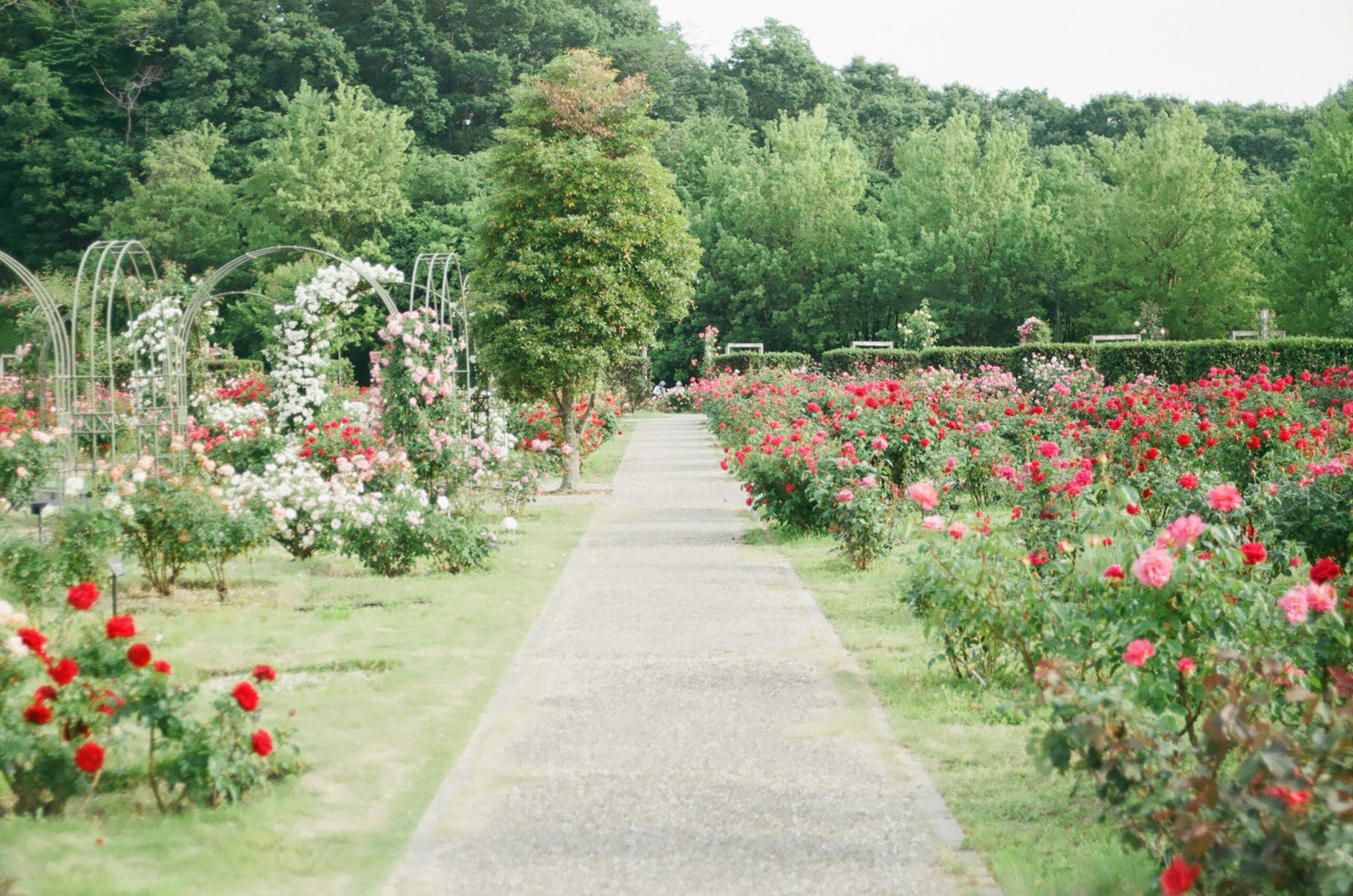
Creating a healing garden is more than planting flowers or adding greenery; it is about intentionally designing a space that nurtures peace, supports recovery, and restores emotional balance. In today’s fast-paced world, people increasingly seek outdoor environments where they can slow down, breathe deeply, and reconnect with themselves. Therefore, a thoughtfully designed healing garden can become a powerful retreat for mental, emotional, and even physical well-being.
Moreover, healing gardens serve people of all ages and abilities, whether they are recovering from illness, managing stress, or simply seeking daily calm. By combining natural elements with purposeful design choices, you can transform an ordinary yard into a soothing sanctuary. With that in mind, the following sections explore practical tips to help you create a garden that truly promotes peace and recovery.
Understanding the Purpose of a Healing Garden
First of all, a healing garden should reflect a clear intention: to promote relaxation, reflection, and renewal. Unlike decorative gardens, these spaces focus on how people feel and interact with the environment. As a result, every design decision—from layout to plant selection—should support comfort and emotional ease.
Additionally, healing gardens often draw inspiration from nature’s calming rhythms, such as gentle movement, soft colors, and familiar scents. By understanding this purpose early, you can avoid cluttered designs and instead prioritize openness and simplicity. Consequently, the garden becomes a place where the mind can rest without distraction.
Choosing the Right Location and Layout
To begin with, selecting the right location is essential for creating a peaceful atmosphere. Ideally, the garden should be situated away from heavy noise, traffic, and visual distractions. For example, placing it near a quiet corner of your yard or behind natural barriers like hedges can significantly enhance privacy and tranquility.
Furthermore, the layout should encourage slow movement and mindful pauses. Curved pathways, for instance, gently guide visitors through the space while reducing feelings of urgency. Meanwhile, open areas with seating allow for rest, reflection, or meditation. By planning a layout that feels natural and intuitive, you create a garden that invites calm rather than rush.
Selecting Plants That Promote Calm and Comfort
When it comes to plant selection, choosing species known for their soothing qualities makes a noticeable difference. For instance, lavender, chamomile, and jasmine offer calming scents that can reduce stress and anxiety. Similarly, soft-textured plants like ornamental grasses or ferns add visual comfort and gentle motion.
At the same time, it is important to consider maintenance and accessibility. Low-maintenance plants help prevent the garden from becoming a source of stress. Therefore, native or drought-tolerant plants often work best. By selecting plants that thrive naturally in your climate, you ensure that the garden remains peaceful rather than demanding.
Incorporating Water, Sound, and Sensory Elements
Another powerful way to enhance healing is by engaging the senses. Water features, such as small fountains or birdbaths, create soothing sounds that mask unwanted noise. As a result, these gentle water movements promote relaxation and help quiet the mind.
In addition, sensory elements like wind chimes, textured stones, or aromatic herbs encourage mindful interaction with the space. For example, the sound of leaves rustling or the feel of smooth pebbles underfoot can ground visitors in the present moment. Consequently, the garden becomes a fully immersive environment for healing and awareness.
Designing Comfortable Seating and Gathering Areas
Equally important, a healing garden should offer comfortable places to sit and rest. Seating areas provide opportunities for contemplation, conversation, or quiet observation of nature. For this reason, benches, hammocks, or cushioned chairs placed in shaded areas work particularly well.
Moreover, seating should feel welcoming and inclusive. Wide paths, stable surfaces, and supportive seating options ensure accessibility for people with different physical needs. Therefore, thoughtful design not only improves comfort but also allows more people to benefit from the healing space.
Using Color, Light, and Natural Materials
Color plays a subtle yet powerful role in emotional well-being. Soft, natural tones like greens, blues, and gentle purples tend to calm the nervous system. As a result, incorporating these colors through plants, stones, or décor helps maintain a serene mood throughout the garden.
Likewise, natural light and materials enhance the sense of harmony. Sunlight filtered through trees creates calming patterns, while materials like wood, stone, and clay foster a grounded, organic feel. Meanwhile, avoiding harsh artificial lighting preserves the garden’s peaceful character, especially in the evening.
Maintaining the Garden as a Living Healing Space
Finally, maintaining a healing garden should feel like a mindful practice rather than a chore. Regular but gentle care—such as pruning, watering, or seasonal planting—keeps the space healthy and inviting. At the same time, these activities can become therapeutic rituals that strengthen your connection to nature.
Additionally, it is important to allow the garden to evolve naturally over time. Plants grow, seasons change, and personal needs shift. Therefore, staying flexible and open to small adjustments ensures that the garden continues to support peace and recovery. Ultimately, a healing garden thrives when it grows alongside the people who use it.
By thoughtfully combining intention, design, and natural elements, you can create a healing garden that truly restores mind and body. Whether large or small, such a space offers daily opportunities for calm, reflection, and renewal. Over time, this outdoor sanctuary can become a quiet companion in your journey toward balance and well-being.